
How the WBA Score works
We test each bottle on what matters in everyday use, then turn the results into a WBA Score out of 100.
Every bottle gets a score out of 100. How it earns those points depends on the bottle.
An insulated bottle shouldn’t be judged like a hydrogen or smart bottle. We score each type on the things that matter most for how it’s designed to be used.
Start with the type of bottle
Insulated, non-insulated, hydrogen or smart.
Score what matters most
Each bottle type has its own mix of tests and criteria.
WBA Score
The points add up to one final score out of 100.
What counts toward the WBA Score
Choose a bottle type to see what we score and how much each area can contribute to the final result.
See how a real WBA Score adds up
Here’s how the points come together for one bottle we’ve tested.
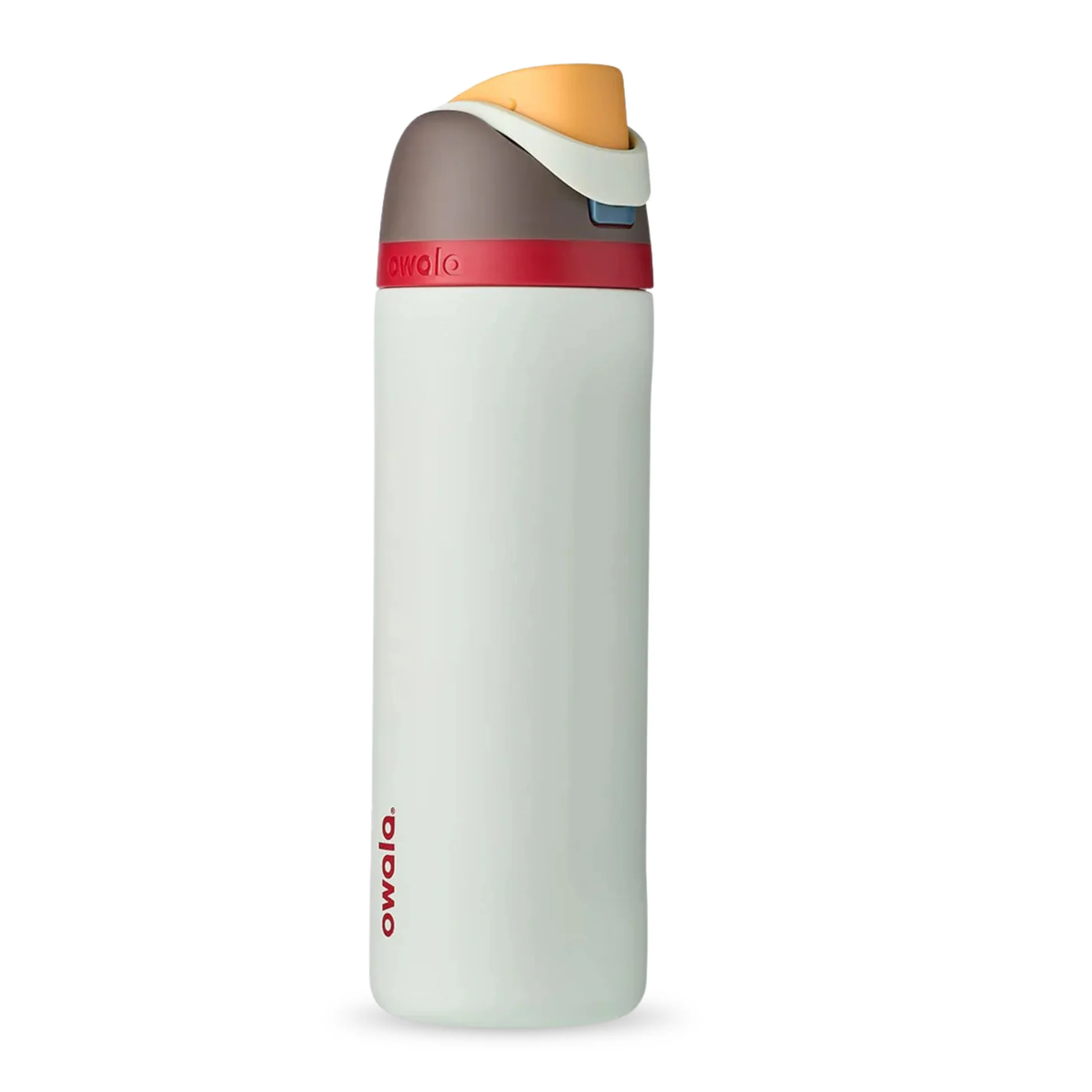
Owala FreeSip
See where a WBA Score sits on the scale
The higher the score, the stronger the bottle performed across the areas that matter for its category.
Questions about the score
How we decide when a score is final, why two versions of the same bottle can score differently, and what happens when information is still missing.
What makes a WBA Score “official”?
We only publish an Official WBA Score after we’ve personally tested the bottle and completed the tests and information needed to calculate its score. If important results are still missing, we don’t treat the score as final.
Is every bottle scored using the same criteria?
No. Every WBA Score uses the same 0–100 scale, but different types of bottles are judged on different things. For example, insulation matters for an insulated bottle, while hydrogen performance matters for a hydrogen bottle.
Why can two versions of the same bottle have different scores?
Because we score the bottle in the configuration we actually tested. A different size or lid can change its weight, dimensions, cup-holder fit, leakproofness, cleaning and handling — so it can also change the score.
Does missing data count as zero points?
Not always. If an important test result is missing, we may hold back the final score instead of treating the missing result as a failure. Some information is also optional or simply doesn’t apply to every bottle.
Can manufacturer data produce an Official WBA Score?
No. We may use manufacturer information for basic facts such as materials or dimensions, but manufacturer data alone isn’t enough for an Official WBA Score. The bottle must be personally tested by us.
Can a WBA Score change over time?
Yes. We may update a score when we collect new test results or improve the way we score bottles. When the scoring system changes, we keep track of which version was used.
Does price affect the WBA Score?
No. A more expensive bottle doesn’t get extra points. Price can matter when we recommend which bottle offers better value, but it doesn’t change the WBA Score.