
Table of contents8 sections
Quick Verdict
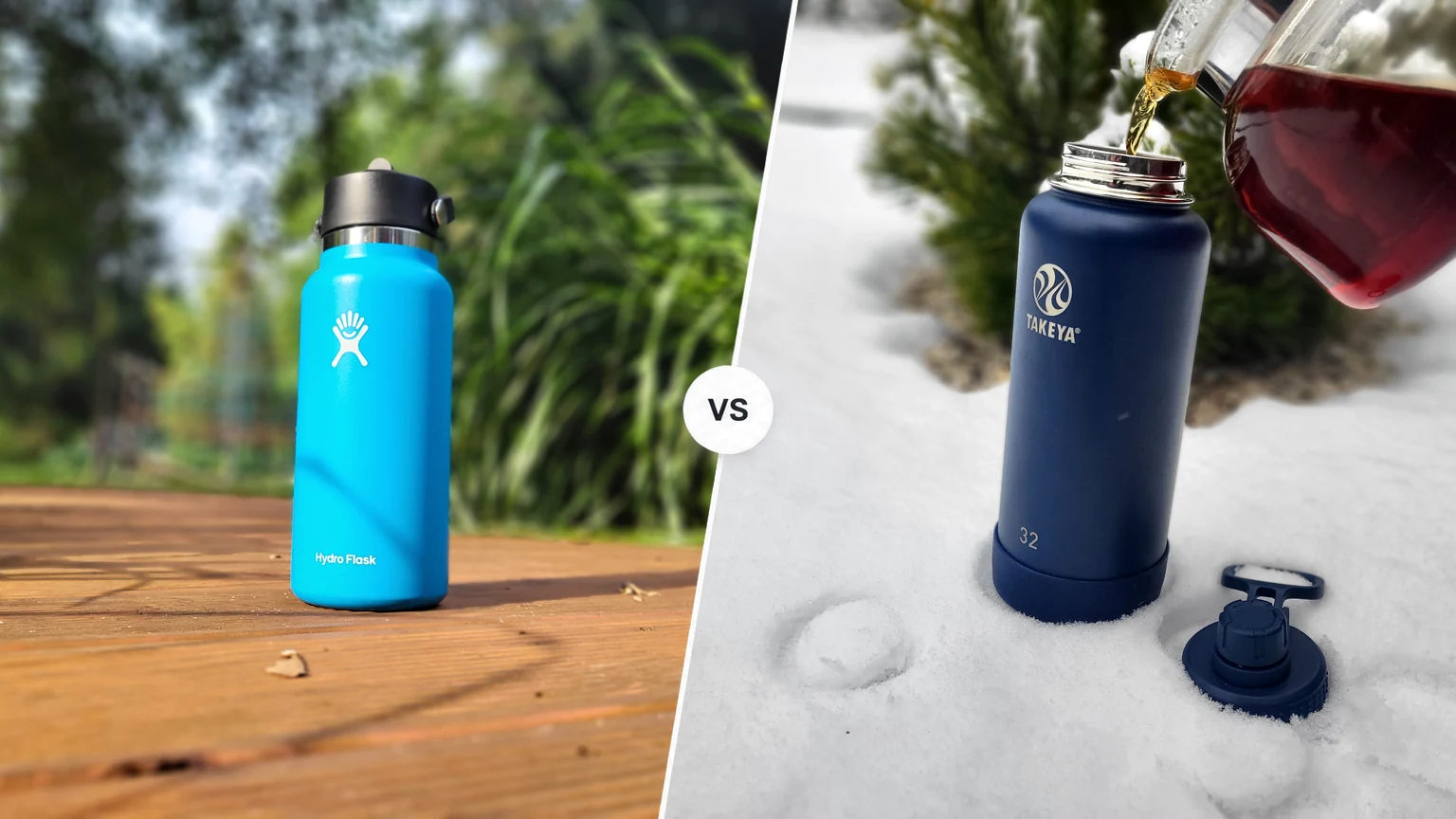
This is one of the closest bottle comparisons in our database.
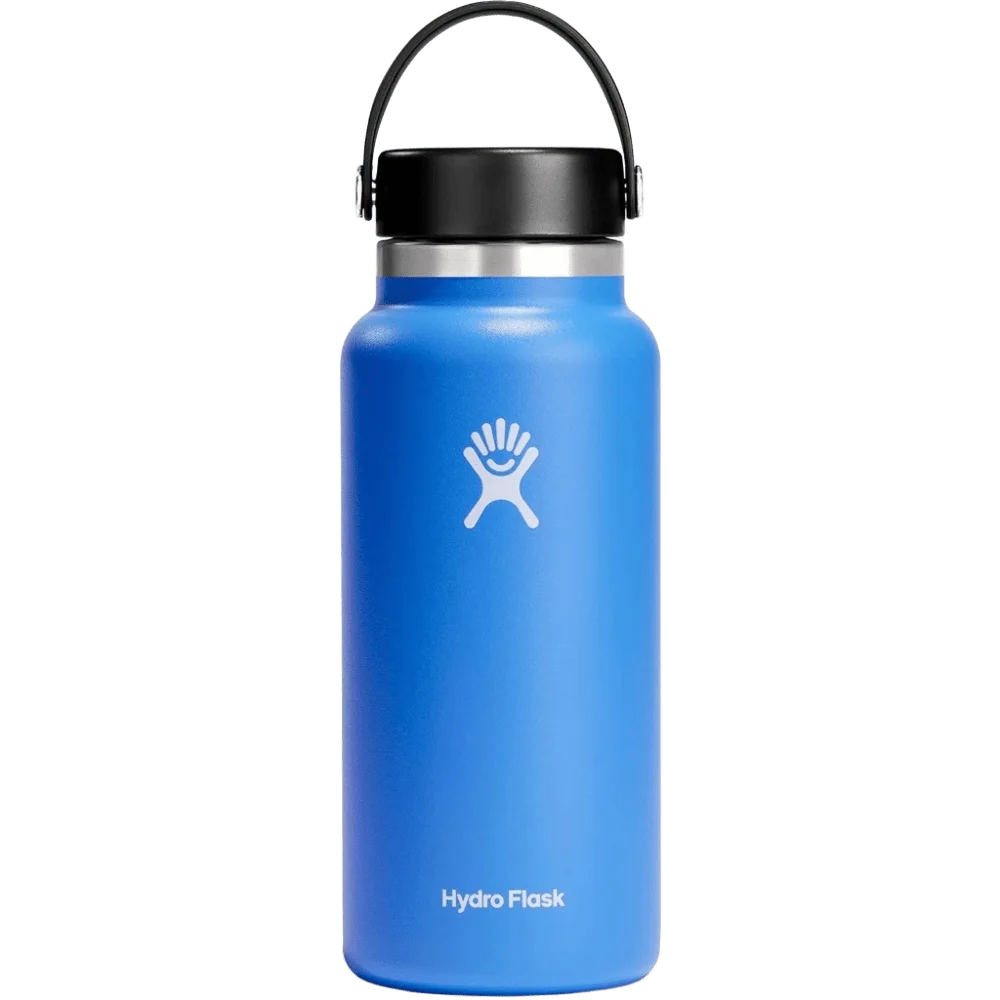
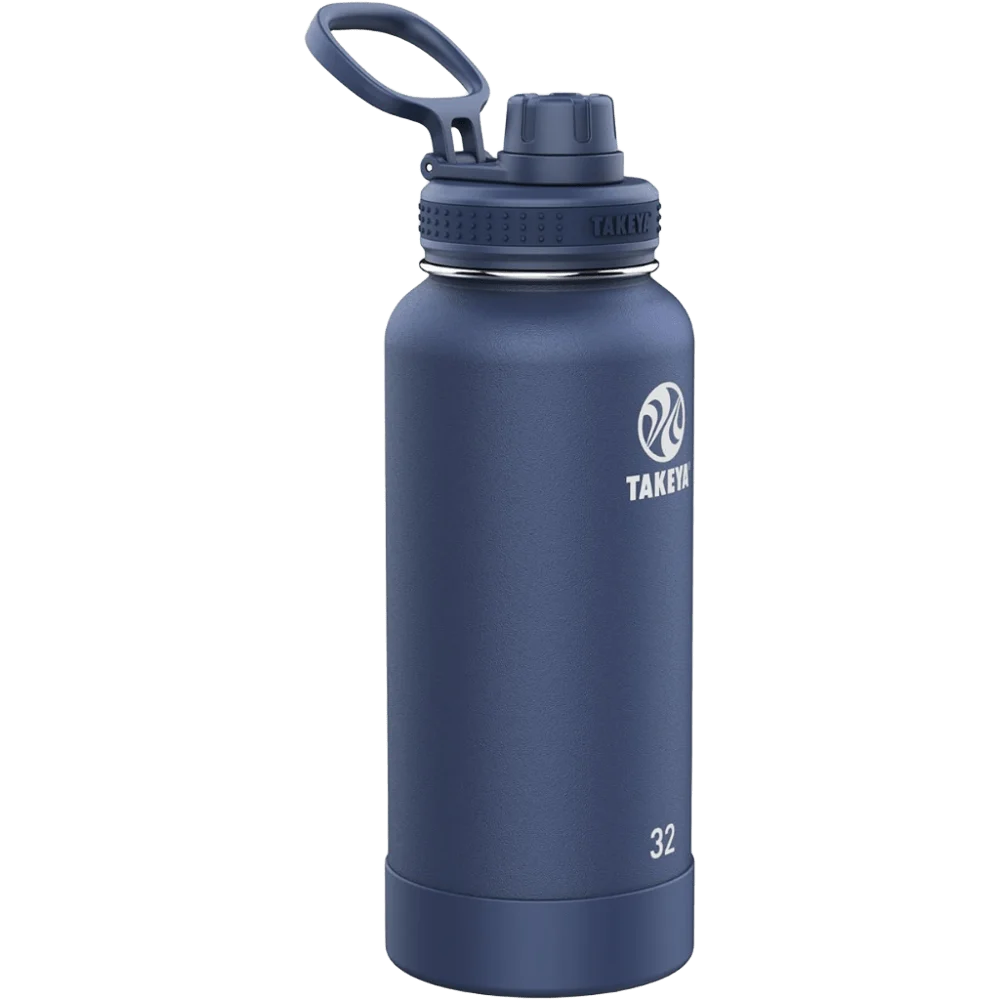
The default configurations are both 32 oz, both are leakproof, both use 18/8 stainless steel, both performed well in our durability testing, and both finished our 24-hour cold-retention test at exactly 12°C (53.6°F) from the same 1°C starting temperature.
If I had to buy one for myself, I would still choose the Hydro Flask Wide Mouth — mainly because I have used Hydro Flask for years, I trust the build quality, and the Wide Mouth lid ecosystem gives me much more room to change how the bottle works later.
But if value and the default drinking experience matter more than brand ecosystem, the Takeya Actives is extremely competitive. Its Spout Lid is more comfortable than the basic Hydro Flask Flex Cap, it is easier to open with wet hands, and it costs less in the configurations we tested.
So my short answer is: Hydro Flask for the better long-term platform. Takeya for the better value with a better default drinking lid.
See the full comparison table ↓
Hydro Flask Wide Mouth vs Takeya Actives comparison table
Overview
Thermal Performance
Lid & Drinking Experience
Portability & Handling
Cleaning & Maintenance
Durability & Safety
Versatility
Bottle Details
The 32 oz vs 32 oz comparison is unusually clean
I like this matchup because I do not need to spend half the article explaining away a size mismatch.
WBA tested the 32 oz Hydro Flask Wide Mouth and the 32 oz Takeya Actives. Their empty weights are almost identical too: 15.43 oz for Hydro Flask and 15.42 oz for Takeya.
Both brands also sell plenty of other sizes. Hydro Flask currently lists Wide Mouth bottles in 16, 20, 24, 32, 40, and 64 oz. Takeya’s current Actives range includes 18, 22, 24, 32, 40, and 64 oz. We have not tested every one of those sizes, so the measurements below belong to these exact 32 oz configurations rather than the entire product family.
The same applies to lids. Hydro Flask Wide Mouth bottles can use multiple Wide Mouth caps, while Takeya currently sells Actives bottles with Spout Lid and Straw Lid options. Our Hydro Flask results here belong to the Flex Cap configuration, and our Takeya results belong to the Spout Lid configuration.
Cold retention is a literal tie in our test
Both bottles started at 1°C (33.8°F) and finished at 12°C (53.6°F) after 24 hours.
That is about as clean a tie as I can ask for.
It also means I would not use cold retention as the deciding factor between them. Both performed well enough for a normal workday, gym session, road trip, or a day outside.
Hydro Flask does separate itself in the hot-retention test. After 12 hours, the Hydro Flask finished at 53.8°C (128.8°F) while the Takeya finished at 49.2°C (120.6°F).
That difference matters more to me because around 50°C is where a hot drink starts to feel more warm than properly hot. Both tested configurations support hot drinks, but Hydro Flask gives me more thermal margin if I want one bottle for both cold water and hot beverages.
Takeya has the better default drinking lid
The basic Hydro Flask Flex Cap is almost aggressively simple. Unscrew it, drink from the wide mouth, screw it back on.
I appreciate that simplicity, especially because it is reliable and easy to keep clean, but it is not my favorite Hydro Flask lid for drinking throughout the day.
Takeya’s Spout Lid is better for that job.
In our testing, Takeya’s drinking comfort was rated Comfortable, while the Hydro Flask Flex Cap scored Medium. Takeya was also Easy to open and remained easy with wet hands. Hydro Flask was only Medium for opening ease and Difficult with wet hands.
Both passed our leakproofness test, both protect the drinking surface when closed, and both had secure accidental-opening resistance.
If I compare only the lids in this table, Takeya wins the drinking experience.
The reason I still like Hydro Flask as a platform is what happens after the purchase. The same Wide Mouth body can use other compatible caps, including straw and chug-style options. Takeya also offers a Straw Lid version of the Actives, but WBA has not tested that exact configuration yet, so I am not transferring our Spout Lid results to it.
Hydro Flask is much faster to clean
This is the biggest practical win for Hydro Flask.
Our full cleaning test took 1 minute 38 seconds for the Hydro Flask Flex Cap configuration and 2 minutes 23 seconds for the Takeya Actives.
That makes Hydro Flask 45 seconds faster.
The reason is straightforward: the basic Flex Cap is simpler. Takeya’s Spout Lid has more pieces, seals, and small surfaces to inspect.
Takeya still did well where it matters. All of its silicone parts were removable and easy to remove in our test. The bottle itself is not difficult to clean; it just takes longer.
Both 32 oz bodies require a long bottle brush for proper interior cleaning in our current test data.
If I were washing the bottle once every few days, 45 seconds would not influence my purchase. If I were washing it every single evening, I would notice the difference.
Portability is almost a tie — and neither 32 oz bottle is ideal for a car cup holder
The weights are nearly identical: 15.43 oz for Hydro Flask vs 15.42 oz for Takeya.
Hydro Flask is slightly shorter at 9.44 inches versus 10.43 inches for Takeya, but the real limitation is the base width. Both tested 32 oz bottles have a low chance of fitting a normal car cup holder in our database.
The Hydro Flask Flex Cap gives me a full four-finger carry strap and earned a Comfortable carrying rating. Takeya fits three fingers and earned a Medium rating.
That is one of the small areas where the Hydro Flask feels more refined in actual carrying. The Takeya handle is perfectly usable, but I prefer the softer, fuller Hydro Flask strap when I am walking with the bottle for more than a few minutes.
If cup-holder fit is critical, I would look at a smaller size or a different bottle shape rather than assume another untested size behaves exactly like these two.
Durability is a tie in the standardized test
Both bottles scored 9/9 in our durability category.
After 500 lid-mechanism cycles, both showed no noticeable change. Our exterior wear testing also found no meaningful visible wear beyond micro-scratches.
That is important because Hydro Flask has the more premium reputation, while Takeya is often priced as the value alternative. In this specific standardized durability test, Takeya did not behave like the cheaper bottle.
My long-term confidence is still higher with Hydro Flask because I have lived with the brand for years and my own bottle has held up extremely well. But that is personal ownership context, not a reason to erase Takeya’s measured result. The test says both were excellent.
Takeya is the stronger value
At current WBA pricing, the Takeya Actives 32 oz is around $35. The Hydro Flask 32 oz typically sits higher.
That is meaningful because Takeya is not giving up much in the core bottle performance. Cold retention tied. Weight tied. Both are leakproof. Both passed durability testing. Takeya actually has the nicer default drinking lid.
Hydro Flask gives me faster cleaning, stronger hot retention, a more comfortable carry strap, and the broader Wide Mouth lid ecosystem.
For me, those advantages justify paying more if this is going to be my main bottle for years.
For somebody who wants one good bottle with a spout lid and does not care about building a small collection of interchangeable caps, Takeya is very hard to beat for the money.
Which one should you buy?
Choose Hydro Flask Wide Mouth if…
I would choose Hydro Flask if you want a bottle that can evolve with you.
The Flex Cap configuration is extremely simple, leakproof, durable, quick to clean, and better at retaining heat in our test. More importantly, the Wide Mouth platform gives you multiple cap options without replacing the bottle body.
It is also the one I personally trust more as a long-term ownership product because I have used Hydro Flask for years and the bottle has aged well.
The main drawbacks are the higher price, weak cup-holder fit in 32 oz, and the fact that the basic Flex Cap is not the most enjoyable lid to drink from.
Choose Takeya Actives if…
I would choose Takeya if you want the better value and the better default spout experience.
The 32 oz Actives matched Hydro Flask exactly in our cold-retention test, weighed essentially the same, passed leakproofness and durability testing, and was easier to open with wet hands.
The Spout Lid is also more comfortable for repeated everyday drinking than removing the entire Hydro Flask Flex Cap every time.
You give up some hot-retention performance, cleaning speed, and lid-ecosystem depth, but you also spend less.
For me, Hydro Flask is the better platform. Takeya is the smarter purchase if you just want a very good 32 oz bottle without paying extra for a platform you may never use.
How we test products
Every product we review is tested using the same structured process, with dozens of measurements and checks covering areas such as thermal performance, lid usability, cleaning, durability, portability, and everyday use. Those results feed into the WBA Score, which helps us compare bottles using consistent criteria instead of relying only on manufacturer claims.
You can read our full product testing protocol, learn more about Water Bottle Advisor and how we test products, or see how the WBA Score works.
About the author
Jeremiah Kowalski
Jeremiah Kowalski founded Water Bottle Advisor to make drinkware reviews more useful and less dependent on manufacturer claims. He has personally tested more than 120 bottles, tumblers, mugs, and filtration systems, putting each one through measuring, cleaning, leak testing, and everyday use before sharing his conclusions. It also means occasionally explaining why yet another large box of bottles has arrived at his door.
Leave a Reply