
Are all hydrogen water bottles the same? Not exactly, but the majority of them are.
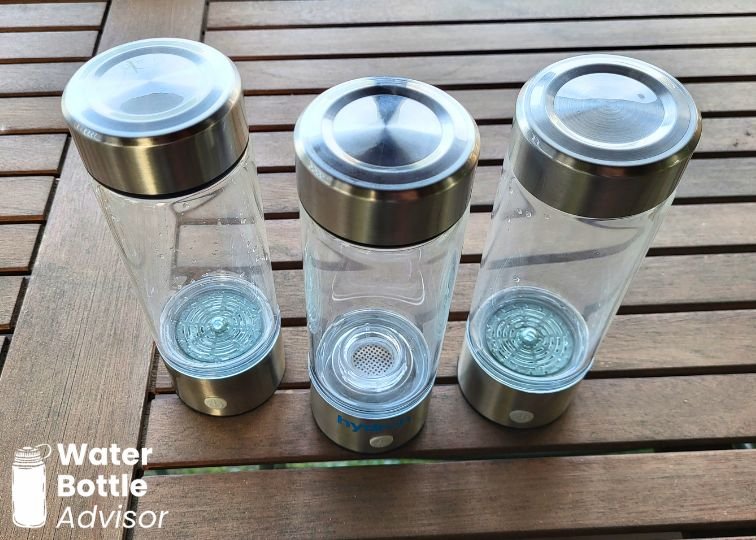
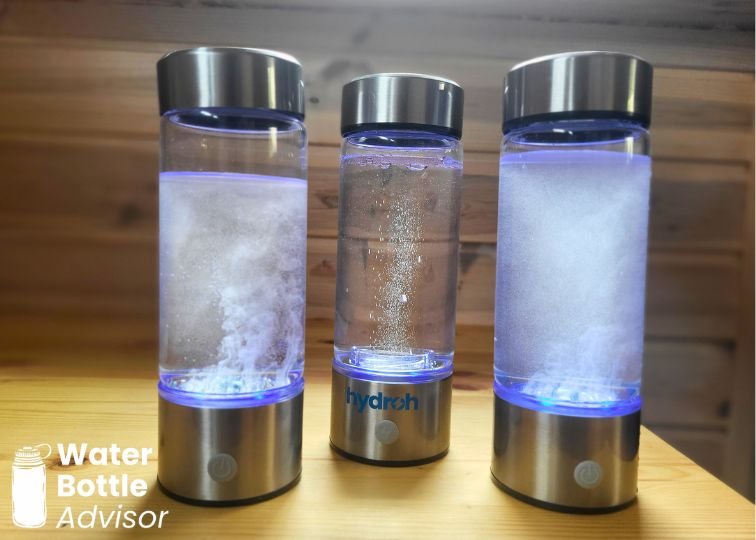
If you look at the cover image of this article, those are my three bottles. Even though they look nearly identical, they actually come from three completely different brands.
The thing is, the hydrogen water niche is a paradise for dropshippers. Many sellers buy extremely cheap generic bottles from China, slap a logo on them, and resell them on Amazon for 10x the original price – sometimes even more.
Fortunately, there are still companies that put real effort into designing their products. Their bottles stand out from the sea of copy-paste options, and in many cases, that uniqueness is a sign of better quality and engineering.
In this short guide, I’ll explain why you should be cautious of the “generic” design you see everywhere, why unique design often reflects higher quality in this niche, and what you should actually look for before buying a bottle.
Why You Should Avoid Generic Hydrogen Water Bottles
If you line up most hydrogen water bottles side by side, the similarities are hard to ignore. They’re usually compact, cylindrical, and built around the same formula: a borosilicate glass body with two silver-colored sections: the cap and the base.
There’s a reason for that. This shape is the result of practical engineering constraints and market expectations.
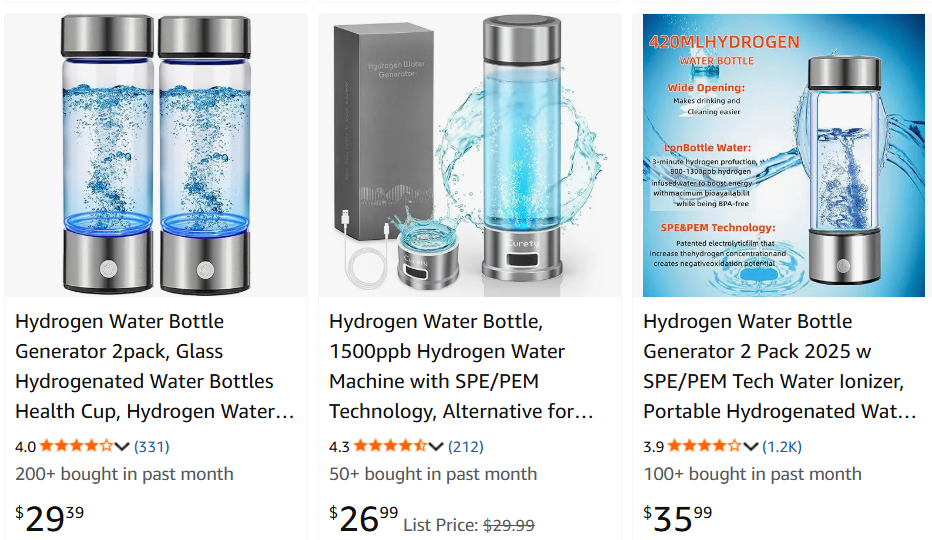
But after personally testing three of these “generic design” bottles, I can confidently tell you something else: you should avoid this type of design altogether.
I specifically bought the cheapest generic bottle I could find for just $12. Then I bought two nearly identical bottles from Aqua Vital and Hydroh that cost around $57 and $70 respectively. My goal was simple: find out whether the more expensive options actually offered better quality or hydrogen performance.
To test them fairly, I compared all three side by side using a hydrogen meter to measure hydrogen concentration. I also evaluated other factors such as charging speed, materials used, build quality, membrane design, operating modes, and overall functionality.
The results? They were essentially the exact same bottle.
The borosilicate glass body was identical. The membrane looked identical (except for the Hydroh bottle). The charging port was the same. They all had the same blue glow during operation, the same 3-minute generation cycle, and even the exact same sound effect when the cycle finished.
Most importantly, the actual hydrogen generation performance was also identical. All three bottles were only able to produce around 300-400 ppb of hydrogen concentration during testing.
See the three tests below.
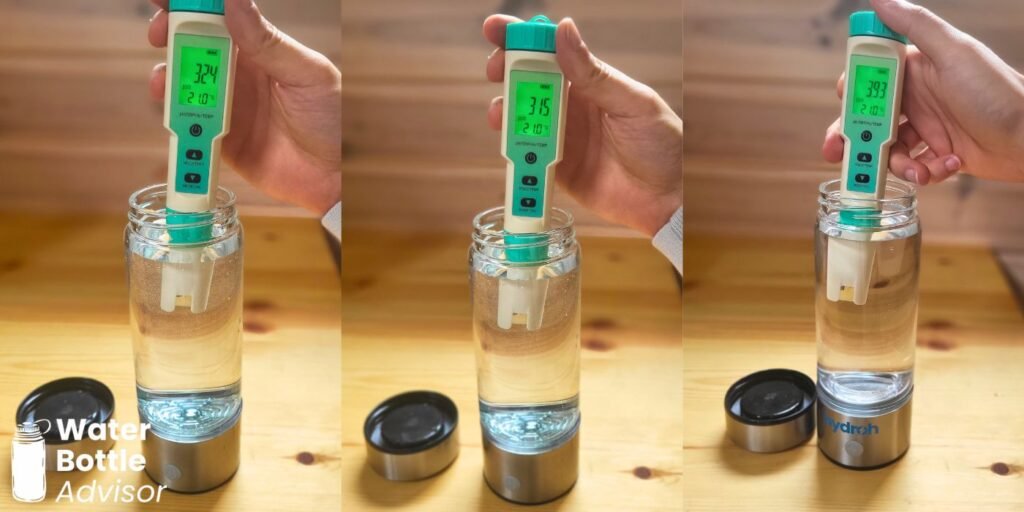
So in reality, buying the $57 or $70 bottle gave me virtually nothing over the $12 version. I was paying several times more for different branding, packaging, and marketing – not for better performance.
And that tells you a lot about how profitable the hydrogen water bottle niche can be for dropshippers. If someone buys a generic bottle for around $12 and resells it for $70, that’s an enormous profit margin on a product that may be nearly indistinguishable from the cheaper version.
To be fair, there are some minor differences between brands. For example, the Hydroh bottle includes a 90-day money-back guarantee, while the others don’t. Packaging, branding, and customer support may also vary slightly.
The Hydroh bottle also uses a slightly different membrane design and appears to generate hydrogen differently than the other two bottles. Instead of producing millions of tiny bubbles, it creates noticeably larger bubbles during operation. It also has additional branding details, including a logo above the button and another logo directly on the button itself.
But despite these small cosmetic and design differences, the actual performance was essentially the same.
This little experiment perfectly demonstrates how easy it is to overpay in the hydrogen bottle niche.
Should You Ignore Looks Altogether?
Not necessarily. While specs and performance should always come first, I’ve noticed that design can still tell you something about the brand behind the product.
Hydrogen bottles with more thoughtful, distinctive designs often come from companies that put extra effort into product development rather than just rebranding generic devices.
In many cases, brands that invest in original design are also more likely to focus on the overall user experience – things like better build quality, clearer documentation, warranty coverage, and responsive customer support.
I currently own six different hydrogen bottles and pitchers with unique, non-copy-pasted designs, and overall, I’ve been happy with how they perform.
A few examples in this category include Piurify and Echo Water. Their bottles tend to stand out visually, and are designed in the US, which can add an extra layer of trust for buyers.
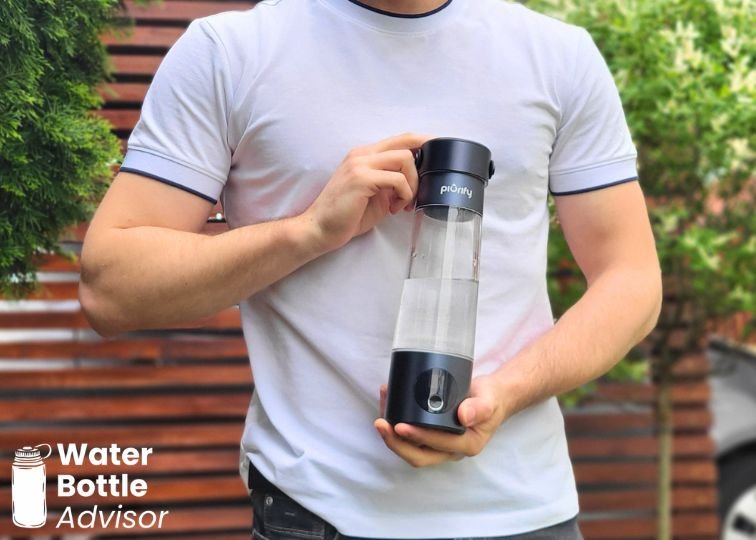
There’s also a more practical, personal side to this. A bottle that looks good often makes you want to use it more. At least in my case, aesthetics play a real role in consistency.
I end up drinking more water simply because I actually enjoy using the device. And yes, there’s nothing wrong with appreciating a product you like and feeling a bit proud of it!
Does It Mean Any Unique Hydrogen Bottle Is Good?
Absolutely not. The appearance of a hydrogen water bottle only tells you so much and in this case, it’s mostly the least important part. Instead of choosing based on design alone, let’s break down exactly what you should pay attention to when buying your first hydrogen water bottle.
1. Hydrogen Concentration (ppm/ppb Levels)
This is one of the most important specs. It tells you how much molecular hydrogen the bottle can produce in water.
Most “okay” bottles range somewhere between 1.5-3 ppm, while the best hydrogen water bottles claim higher numbers, even up to 8 ppm. Be careful here – not all marketing claims are backed by independent testing.
2. Electrolysis Technology (PEM/SPE Membrane)
High-quality bottles use PEM (Proton Exchange Membrane) or SPE (Solid Polymer Electrolyte) technology. These systems help separate hydrogen from oxygen and reduce unwanted byproducts like ozone or chlorine compounds.
If a bottle doesn’t clearly mention this technology, that’s usually a red flag.
3. Build Quality and Materials
Look for bottles made with safe, durable materials like BPA-free plastic. I know plastic may sound like a downside, but in reality it’s often the better choice for hydrogen bottles. The only real alternative you’ll see in this category is glass, and while it looks premium, it’s extremely fragile – one accidental drop can instantly destroy an expensive device. And keep in mind, most companies won’t replace a bottle that breaks due to user accidents.
The quality of the electrodes also matters, as cheaper metals degrade faster and can affect performance over time.
4. Battery Life and Charging
Since these are portable devices, battery performance matters more than you might think. Check:
- How many cycles you get per charge
- Charging time
- Whether it uses USB-C (a big plus for convenience)
5. Independent Testing and Certifications
Reliable brands often back their claims with third-party testing, such as hydrogen concentration reports or lab certifications (e.g. H2 Analytics testing).
This helps confirm that the bottle actually produces meaningful hydrogen levels, not just bubbles or marketing claims.
6. Warranty and Customer Support
This is often overlooked but EXTREMELY important. A hydrogen bottle is a technical device, and things can go wrong.
Brands that offer solid warranties and responsive customer support are generally more confident in their product quality and much easier to deal with if something breaks.
7. Brand Transparency and Origin
Finally, pay attention to how transparent the brand is. Companies that clearly explain where they design their products, how they test them, and what materials they use tend to be more trustworthy.
Even though most bottles are manufactured in China, brands that design in the US, Canada, or Japan often provide better quality control and accountability.
If you want a deeper breakdown of these factors and a more practical step-by-step approach to choosing the right device, I go into much more detail in my guide on how to choose a hydrogen water bottle.
Final Thoughts
If there’s one takeaway from this article, it’s this: avoid generic hydrogen bottle designs if you want better quality, durability, support, and warranty coverage.
These typical “copy-paste” bottles can work, but in my experience they often produce low ppb levels and offer inconsistent customer support. You’re also more likely to run into inflated marketing claims that don’t match real performance.
In contrast, bottles with more unique, purpose-built designs tend to come from brands that take quality more seriously. They’re more likely to honor warranties, provide better support, and back their claims with lab testing instead of just marketing.
That said, design alone isn’t enough. Always look deeper at certifications, technology, materials, and warranty terms – these matter far more than appearance or branding.

Jeremiah Kowalski
Jeremiah Kowalski is a drinkware product researcher who has personally tested 50+ reusable water bottles, tumblers, mugs, and filtration systems from leading brands. He focuses on real-world performance, durability, and safety to help readers choose drinkware that actually fits their daily hydration needs.