
A hydrogen water bottle typically lasts anywhere from 1 to 5 years, depending on the build quality, how often it’s used, and how well it’s maintained. That said, in real-world use the difference can be pretty dramatic.
I actually own around 10 hydrogen bottles and pitchers myself, and the lifespan varies a lot between them. Some of them have lasted 3+ years and are still working perfectly fine today, while others gave out after just a few weeks or months of use.
So while the “average” gives you a general idea, your actual experience really depends on the specific device and how it’s treated.
Read on as I break down what affects that lifespan and why some units fail early while others last years.
What Determines the Lifespan of a Hydrogen Water Bottle?
The lifespan of a hydrogen water bottle isn’t something you can pin down to a single number. Even with similar usage, two identical-looking devices can age very differently.
Below are the main things that actually determine how long a hydrogen water bottle lasts in real-world conditions.
Material
What determines the lifespan of a hydrogen water bottle more than anything else is the material it’s made from – and that’s a decision you lock in the moment you buy it. While water bottles in general can come in many materials, in the case of hydrogen bottles you really only have two realistic options: plastic or glass.
Glass can sound like the better choice at first, and on paper it has some clear advantages. It doesn’t introduce plastic taste, and it avoids concerns about potential chemical leaching, which makes it feel like a “cleaner” option overall.
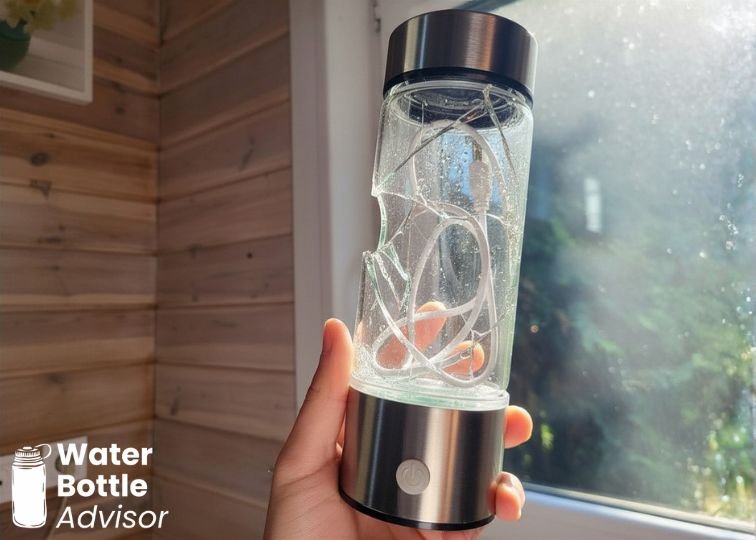
However, in practice, it’s rarely the best choice for hydrogen bottles. Even when manufacturers use borosilicate glass (which is technically more durable than standard glass) it’s still glass. One accidental drop is often enough to destroy an expensive device completely. And in most cases, warranties don’t cover accidental damage, meaning you’re left with a broken bottle and no replacement.
That’s why plastic is the better material choice for hydrogen bottles. It’s significantly more durable and far more forgiving when accidents happen. The key is choosing high-quality, BPA-free plastics that are safe for daily use. Materials like Tritan or PC (polycarbonate) are among the best options.
Choosing one of these plastics doesn’t just reduce risk. It can instantly add years to the lifespan of your bottle, simply by avoiding the most common failure point: accidental breakage.
Build Quality of the Electrolysis System
The electrodes and membrane determine how efficiently hydrogen is produced and how long the device stays functional.
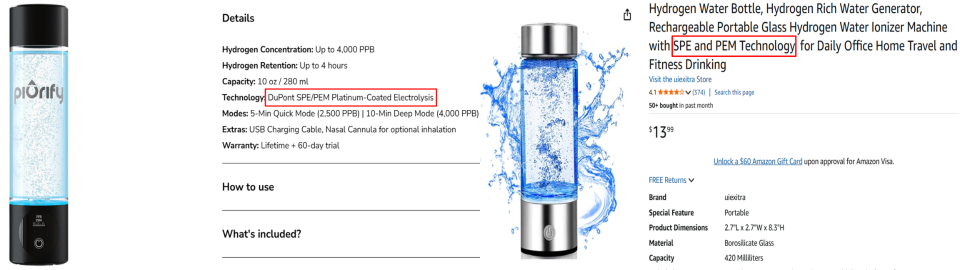
Higher-end models typically use more durable electrode coatings (often platinum-based) and better membranes, which can handle thousands of cycles. Cheaper units tend to degrade faster, but not always in an obvious way.
One interesting detail I’ve seen in my bottles is that hydrogen output usually doesn’t fail suddenly. It gradually declines.
A bottle might still “work” and produce bubbles, but the actual dissolved hydrogen level can slowly drop over time without being noticeable unless you compare it to a newer unit. That slow decline is often mistaken for normal operation.
Usage Frequency and Daily Habits
How often you use the bottle does have an impact on its lifespan, but it’s not as simple as “less use = longer life”.
In general, a device used once per day will usually experience less wear than one pushed through multiple back-to-back cycles, since repeated operation can create extra heat and put more stress on internal components over time.
At the same time, occasional use isn’t necessarily better either. Bottles that sit unused for long periods can sometimes develop their own issues, especially related to moisture residue, mineral buildup, or battery health drifting over time.
In practice, steady and consistent use tends to be more stable than very irregular patterns of heavy use followed by long inactivity.
You’re spending real money on it to actually use it, not to let it sit on a shelf. The best hydrogen bottles are designed for frequent daily operation.
In my own case, I typically use my bottle around 5-6 times a day, and it’s still performing perfectly fine. The key difference is that it’s a high-quality unit built to handle that kind of workload, with proper cleaning and reasonable charging habits.
Water Quality and Mineral Build-Up
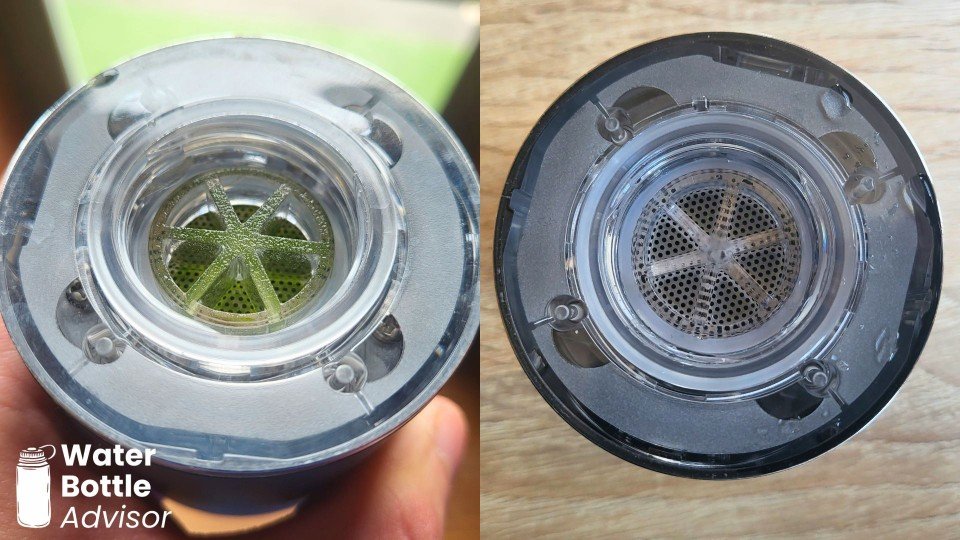
Water chemistry plays a bigger role than most people expect. Hard water with high mineral content can cause scaling on the electrodes, which gradually reduces efficiency.
This buildup acts like a thin insulating layer, forcing the system to work harder and slowly weakening hydrogen production.
That’s why using filtered or low-mineral water can extend a bottle’s lifespan.
I remember when I once used tap water from a different city while traveling, and after a few weeks I noticed that the bottle’s performance dropped noticeably compared to how it worked at home (around 500-600 ppb difference when I tested it with a hydrogen meter).
After switching back to filtered water and cleaning it properly, it recovered, which made it clear how strongly water quality affects longevity.
Maintenance and Charging Habits
Regular maintenance has a direct effect on how long a hydrogen bottle lasts. Cleaning helps prevent mineral buildup, while proper charging habits protect the battery and internal electronics.
Overcharging or constantly leaving the device plugged in can shorten battery life over time.
Battery degradation is actually one of the most common real-world failure points. In many cases, the electrolysis system itself is still functional, but the battery no longer holds enough charge to complete full cycles.
Cheap vs Premium Hydrogen Bottles: Do They Age Differently?
Cheap and premium hydrogen bottles don’t just differ in performance, they also age in completely different ways. I’ve personally tested this quite a bit over time because I own bottles ranging from around $12 all the way up to $200+, and the difference in longevity has been staggering.
The cheapest bottle I bought was mainly out of curiosity. I just wanted to see how long a $12 hydrogen bottle could realistically last. At first, it actually worked fine and produced what seemed like normal hydrogen levels.
But after around three weeks, I started noticing a clear drop in performance. It was producing significantly less hydrogen than before – roughly around half the initial ppb level, even though I made sure the membrane wasn’t blocked and cleaned it properly.
At that point, there wasn’t any obvious physical issue, it just slowly lost efficiency and never really recovered.
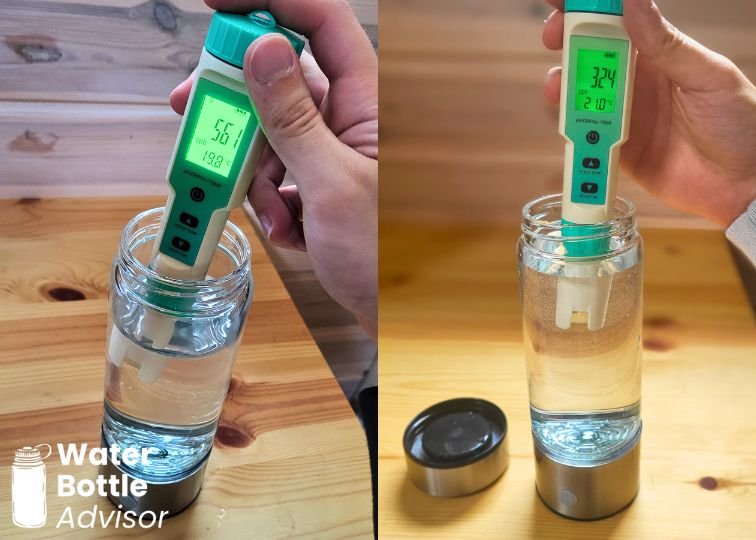
On the other hand, my more expensive bottles from reputable brands like Piurify and Echo Water have behaved very differently. These units can run strong for years without any noticeable drop in performance.
And what’s interesting is that even when I eventually do notice a slight decline in hydrogen output, a proper membrane cleaning usually brings them back to near-original performance. They feel more “maintainable” rather than disposable.
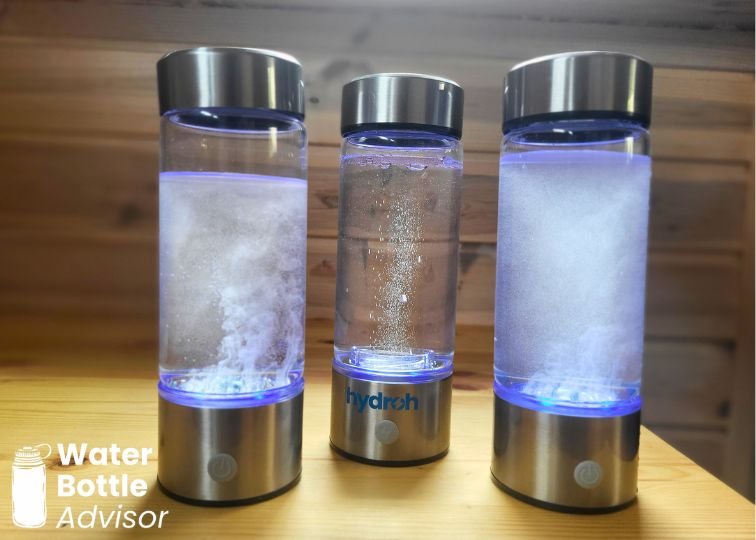
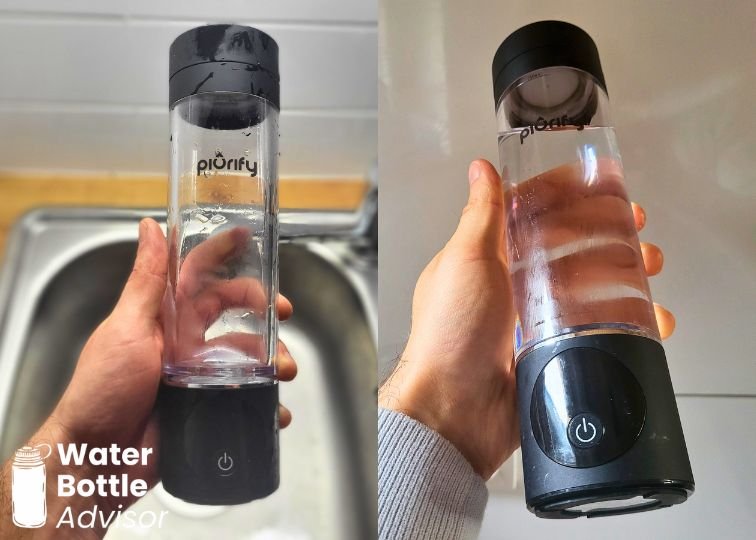
See the comparison image below. There are virtually no differences in appearance or performance in my Piurify Hydrogenator bottle, which I bought for $170 and have been using for over two years. The only differences are minor scratches on the base and the Tritan plastic bottle that I’ve accumulated over time through regular use.
Compared with the $12 bottle, however, the longevity is noticeably better in this case.
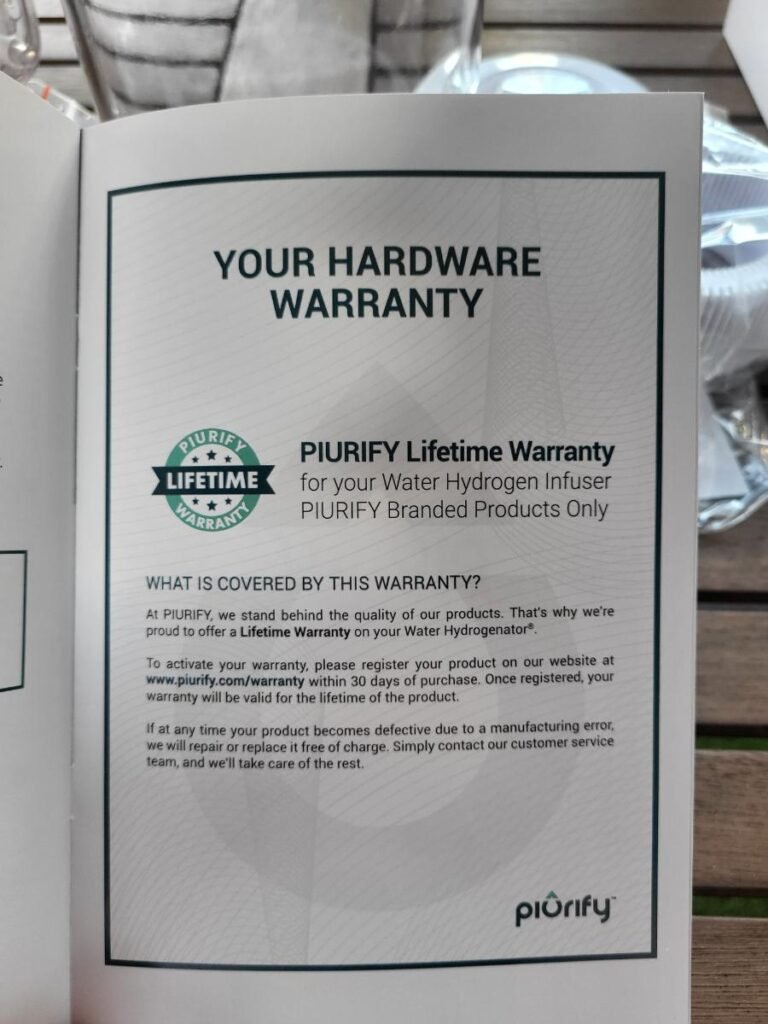
One of the biggest differences, though, isn’t just durability. It’s support. Premium bottles almost always come with a solid warranty, and that matters more than people think in this category.
For example, brands like Piurify offer long-term or even lifetime warranties, meaning that if something fails and it’s not due to user damage, the unit can often be replaced. With cheaper bottles, once performance drops or something breaks, that’s usually the end of the story.
That’s also why I personally always recommend spending at least around $100 on a hydrogen bottle. It can sound a bit ridiculous out of context (after all, it’s still “just a water bottle”) but hydrogen bottles aren’t ordinary containers. They’re small electrolysis devices, and the internal components matter far more than the exterior design.
Trying to save money and going for the cheapest possible option usually ends up being a false economy, because you lose both consistency and longevity very quickly.
Final Thoughts
If there’s one takeaway, it’s that hydrogen water bottle lifespan isn’t something you fully control, but you can heavily influence it. Good water, regular cleaning, sensible charging habits, and, most importantly, starting with a properly built device all make a big difference.
Unlike regular reusable water bottles, where you can often find surprisingly durable options at bargain prices, hydrogen bottles are different in my experience. The internal electrolysis components, membrane quality, and overall build standards matter far more, and this is usually where ultra-cheap models cut corners.
It might feel unusual to spend $100+ on something that looks like a bottle, but that’s often what separates a short-lived gadget from something you can actually rely on for years.

Jeremiah Kowalski
Jeremiah Kowalski is a drinkware product researcher who has personally tested 50+ reusable water bottles, tumblers, mugs, and filtration systems from leading brands. He focuses on real-world performance, durability, and safety to help readers choose drinkware that actually fits their daily hydration needs.