
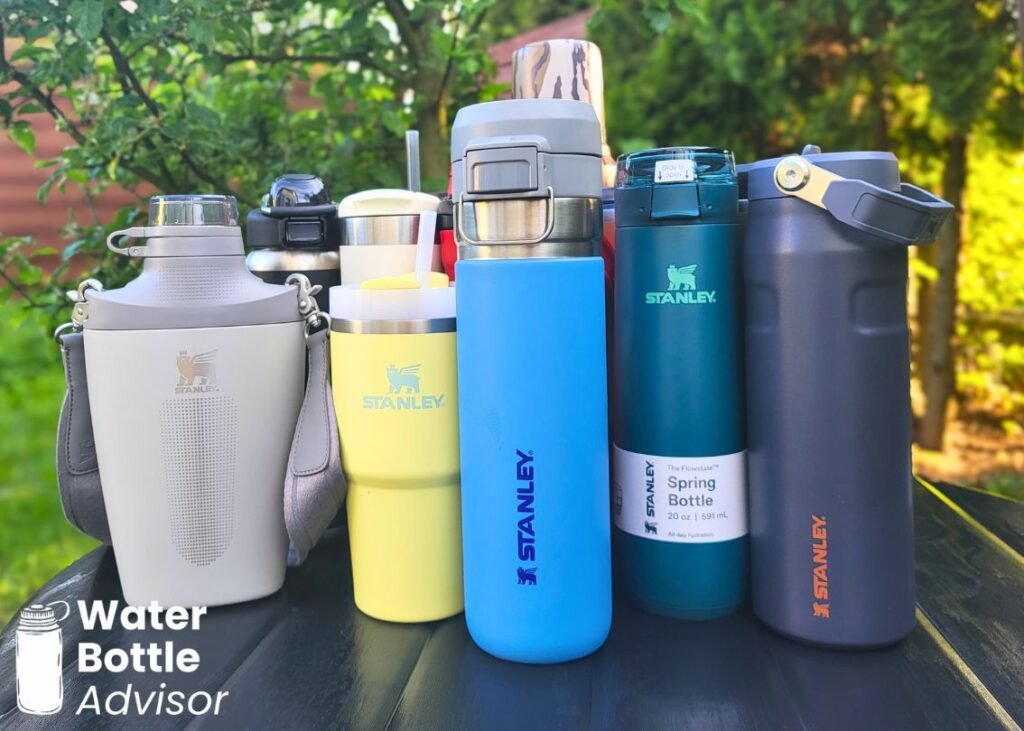
Stanley is not the kind of drinkware brand that builds one famous bottle and calls it a day. They keep releasing new products, new lids, new sizes, and new variations, which is great if you like having options. It’s less great when you’re staring at multiple similar-looking bottles and wondering which one actually makes sense for your life.
So, let’s put some order into the Stanley chaos.
I’ve personally tested 10+ Stanley products so far, and in this comparison, I’m focusing specifically on the 6 most popular Stanley water bottles. The goal is simple: to help you choose the right one without needing to open 34 tabs and question your ability to buy a bottle like a normal person.
I also made a separate Stanley tumblers comparison, so you can check that later if you’re still deciding between a regular bottle and a tumbler.
For now, let’s get into the bottles.
Some of the links on this page are affiliate links. This means that if you click on one of the links and make a purchase, I may earn a small commission at no additional cost to you.
Stanley Quick-Flip Go | Stanley Wellspring | Stanley IceFlow | Stanley Classic Legendary Bottle | Stanley Flowstate Spring | Stanley Cross Bottle | |
|---|---|---|---|---|---|---|
 |  |  |  |  |  | |
Recommended size | 24 oz | 24 oz | 24 oz | 35 oz | 20 oz | 23 oz |
Price | $25 | $40 | $35 | $36 | $30 | $75 |
Material | 18/8 Stainless Steel | 18/8 Stainless Steel | 18/8 Stainless Steel | 18/8 Stainless Steel | 18/8 Stainless Steel | 18/8 Stainless Steel |
Fits in cup holders? | YES | YES | YES | NO | YES | NO |
Leakproof? | YES | YES | YES | YES | YES | YES |
Can be used with hot liquids? | YES | NO | NO | YES | NO | NO |
Review | ||||||
My Score | 4.4/5 | 4.4/5 | 4.4/5 | 4.3/5 | 4.1/5 | 3.9/5 |
Buy Now |
1st Place: Stanley Quick-Flip Go Bottle
KEY FEATURES
PROS
CONS
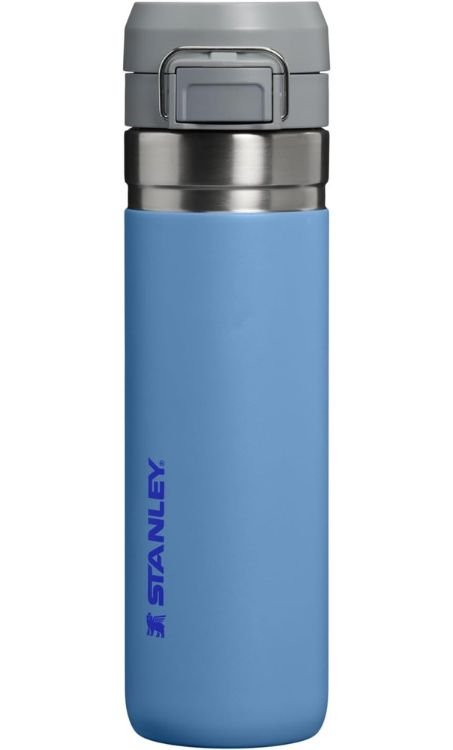
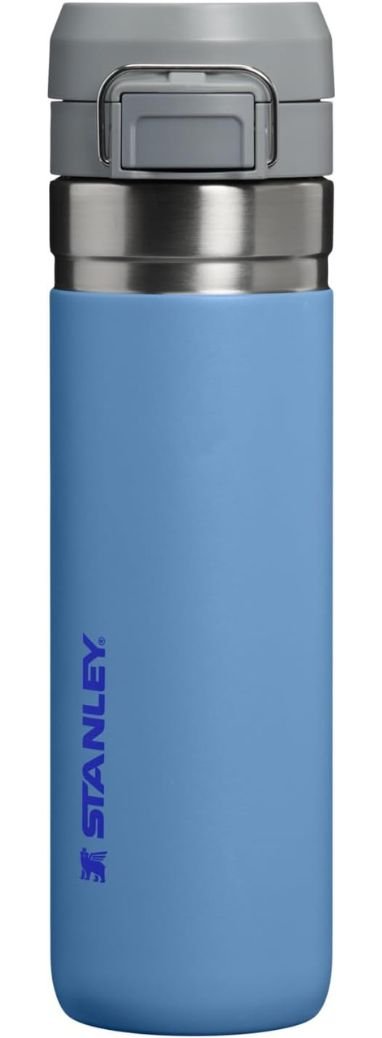
The Stanley Quick-Flip Go is a proper all-rounder. It’s not flashy. In fact, it’s almost the opposite, but I like that about it. Not every bottle needs to walk into the room wearing sequins like the Stanley Quencher. This one is built more around practicality, and it shows.
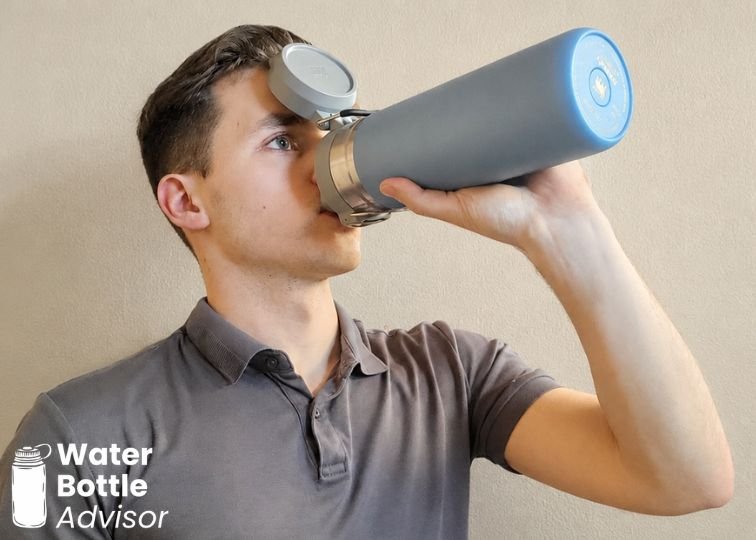
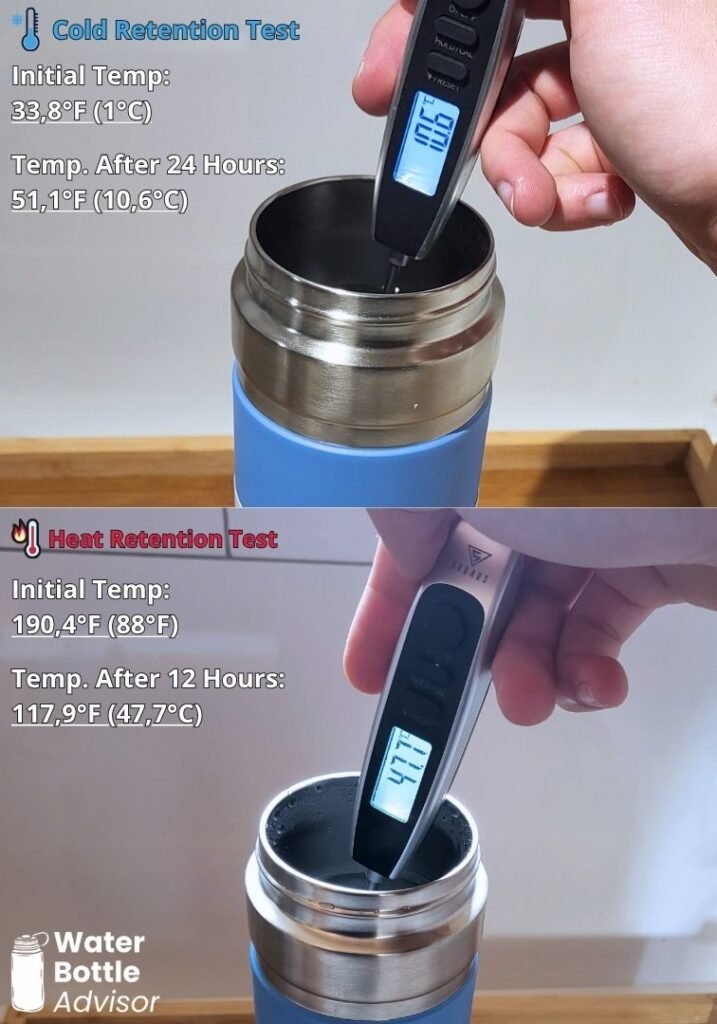
The biggest advantage is versatility since you can use it for both cold and hot drinks. In my cold retention test, the water temperature increased from 33.8°F / 1°C to 51.1°F / 10.6°C after 24 hours, without ice. That’s a very good result.
For heat retention, the water temperature dropped from 190.4°F / 88°C to 117.9°F / 47.7°C after 12 hours. I’ve tested bottles with better heat retention, but the cold performance here is strong.
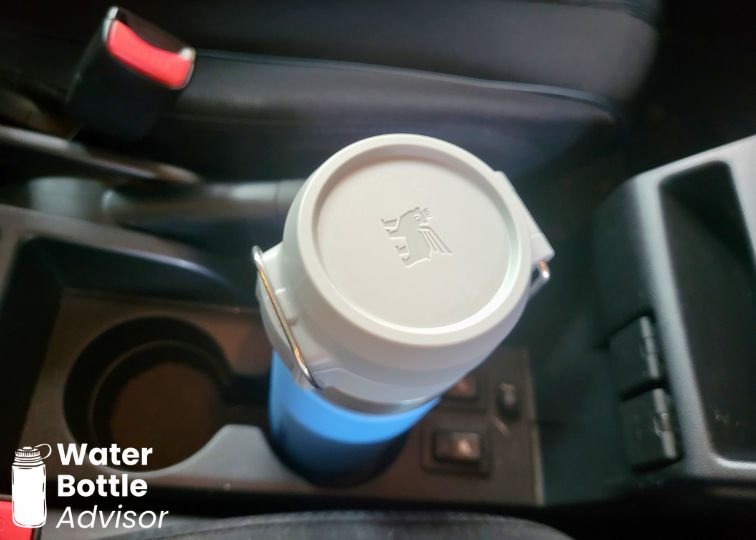
It’s a good bottle for driving. My 24 oz size fits in my car cup holder, although the larger sizes may be a different story. The lid is easy to operate with one hand too. Just press the button, and the drinking opening pops up, so you don’t have to unscrew anything while driving or walking.
The Quick-Flip Go is durable, leakproof, and even has an extra safety feature against leaks. There’s a small locking pin that prevents the button from opening by accident, which is always nice to see. I’ve had enough bottles betray me in bags to appreciate this kind of thing.
The handle fits two fingers, the bottle feels solid, and the weight is manageable. My 24 oz version weighs 14.5 oz, so it doesn’t feel like a burden in daily use.
I do have a few gripes, though. First, it’s surprisingly tall at 11 inches, so it can feel a bit top-heavy in backpack side pockets or cup holders.
The second thing is the button. When I use the bottle with hot liquids, pressure can build up inside, and sometimes the lid opens with a short delay after pressing the button. Usually it’s just a second or two, but it can be a little irritating when you expect it to pop open right away.
Still, these issues don’t ruin the bottle for me. See my full experience with it in my Stanley Quick-Flip Go review.
2nd Place: Stanley Wellspring Bottle
KEY FEATURES
PROS
CONS
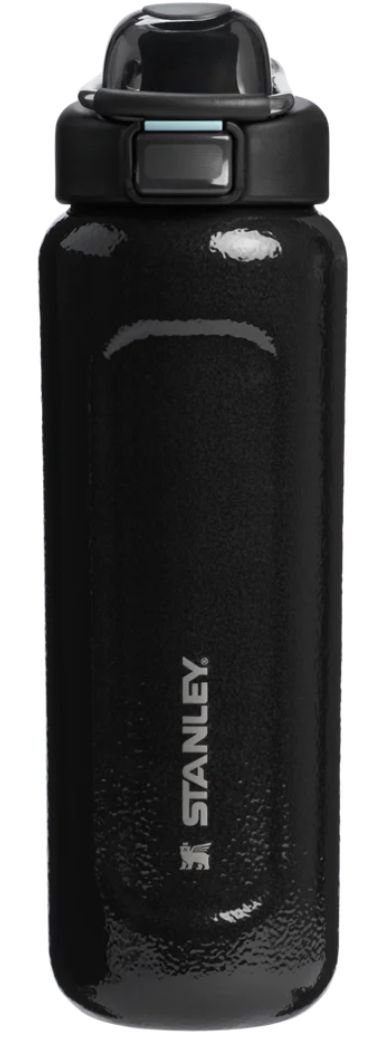
The Stanley Wellspring is a more interesting bottle than it first appears.
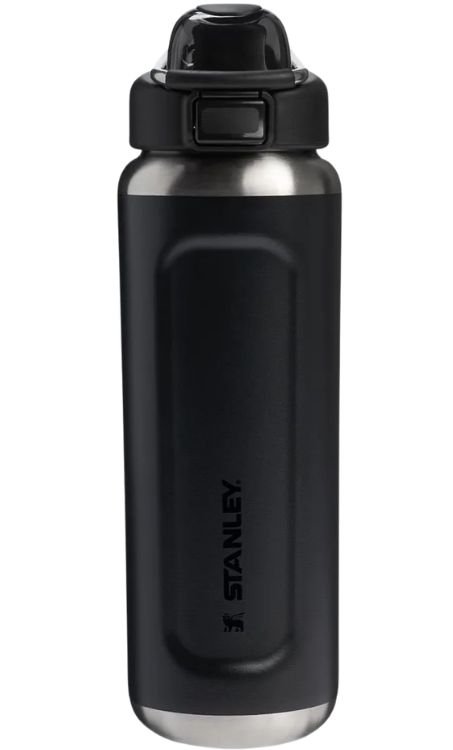
The first thing I noticed after unboxing it was how solid it felt. You pick it up and immediately get the sense that this thing can take a few knocks without crying for help. Stanley added more material in the stress areas, especially around the base, which is thick and rounded.
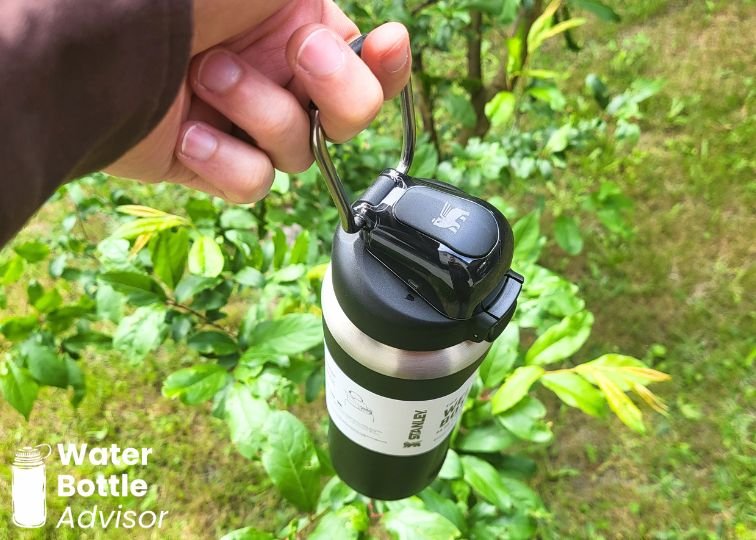
The grip is also better than I expected. This is one of those features that sounds boring until you use a bottle that keeps slipping out of your hand like it has somewhere better to be. The Wellspring has two long indents on the body, and my version also has a powder-coated finish, so it feels secure in the hand. There are versions without powder coating too, but the body shape itself still helps with grip.
The lid has a nice little twist as well. Instead of pressing a button, you slide it down to open the cap. I like this design because it lowers the chance of accidental openings. The cap also stays out of the way while drinking.
There’s a two-finger handle for carrying the bottle, and the spout has an unusual oval-like shape. It works well and even lets you drink from the side if that feels more natural to you.
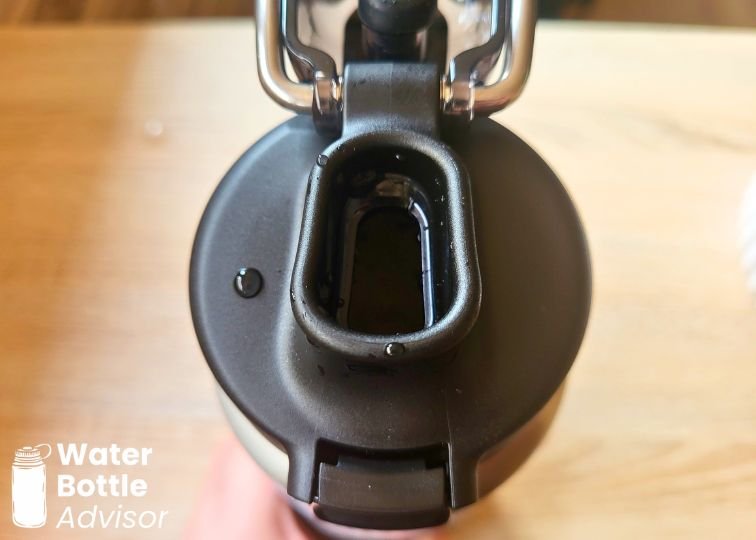
The Wellspring is double-wall insulated, but it’s made for cold drinks only. In my cold retention test, the water temperature rose from 33.8°F / 1°C to 51.6°F / 10.9°C after 24 hours, without ice. That is a strong result and more than enough if you want your drink to stay cold throughout the day.

There’s a lot to like here. I’m actually surprised it flies under the radar for so many Stanley fans. See my full experience and experiments with this bottle in my Stanley Wellspring review.
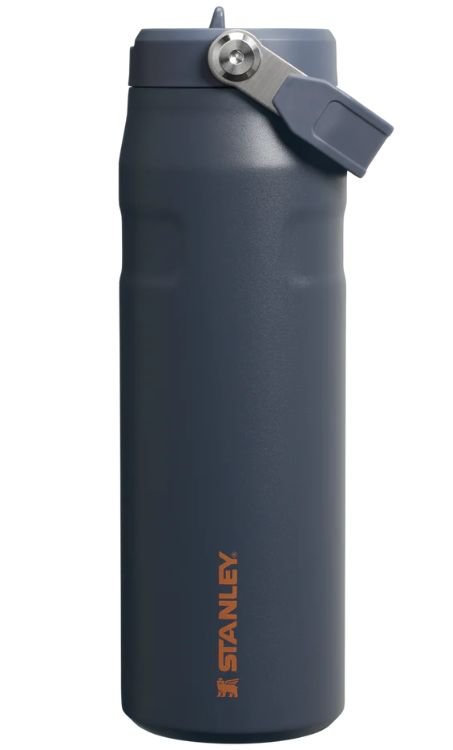
3rd Place: Stanley IceFlow Bottle
KEY FEATURES
PROS
CONS
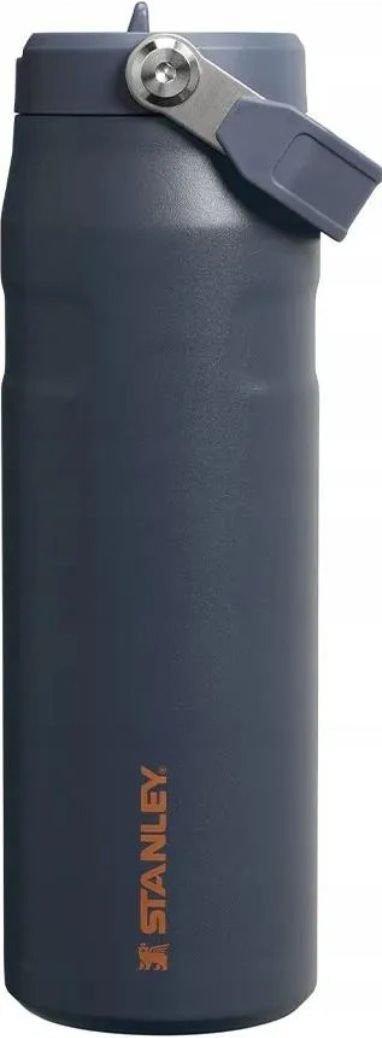
The Stanley IceFlow Bottle is another Stanley product that may not win you over with flashy colors or dramatic looks, but it has something better going for it: it’s practical.
And I like that. Somewhere along the way, drinkware became half fashion accessory, half personality test. The IceFlow feels like a reminder that a bottle should first be a useful water container. Wild concept, I know.
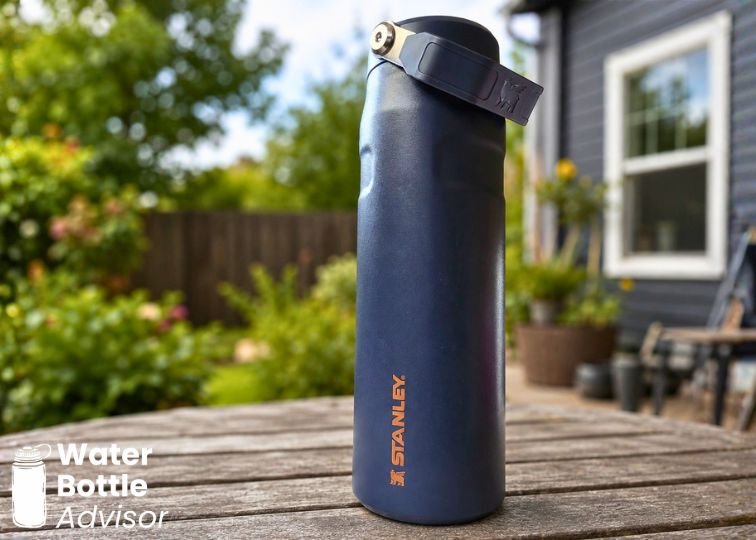
You get two lid options: the flip straw lid and the chug lid, also called the FastFlow lid. Both make sense, so it mostly comes down to how you prefer to drink. I went with the flip straw lid, and I don’t regret it. The straw is comfortable to drink from, and when you’re done, you can fold the spout down into the lid. That keeps it from sticking out in the open like a tiny submarine periscope collecting dust, germs, and whatever else your bag has been hiding.
The handle is one of my favorite parts. It fits all four fingers – always a big plus for me. A full-grip handle makes carrying the bottle feel much more natural, especially when it’s full.
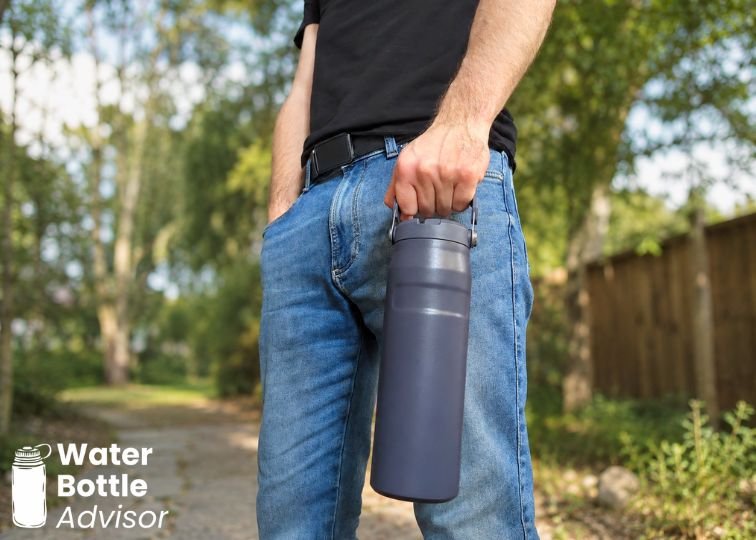
My 24 oz IceFlow also fits in my car cup holder. The bigger sizes probably won’t fit, or at least I wouldn’t bet on it, so choose carefully if cup holder compatibility matters to you.
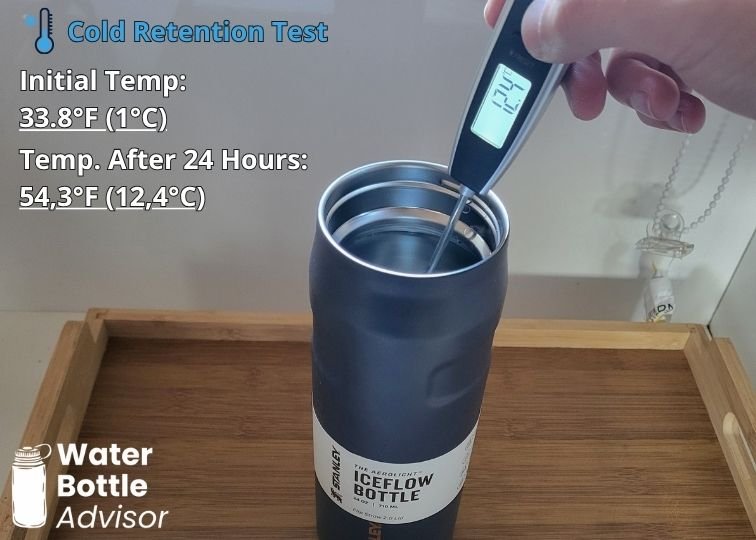
The IceFlow is made for cold drinks only, and in my insulation test, it performed well enough for daily use. I filled it with water at 33.8°F / 1°C, without adding ice. After 24 hours, the temperature rose to 54.3°F / 12.4°C.
That’s slightly weaker than the Quick-Flip Go and Wellspring in my testing, but still a solid result if you’re not chasing the absolute best cold retention numbers.
This bottle just works. Check out my full Stanley IceFlow Bottle review for more details.
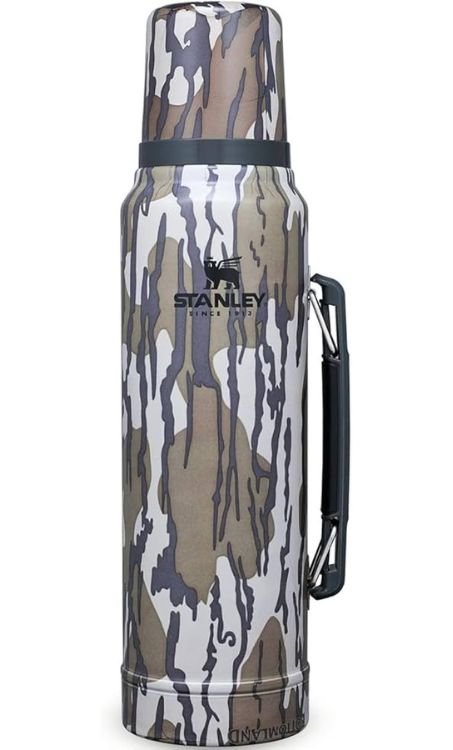
4th Place: Stanley Classic Legendary Bottle
KEY FEATURES
PROS
CONS
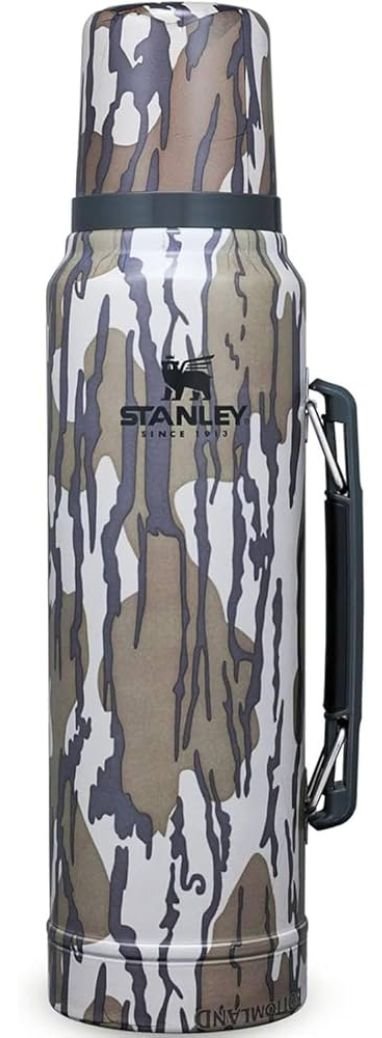
The Stanley Classic Legendary Bottle is named well, because it really is one of those drinkware products with a proper history behind it. Stanley has been making versions of this bottle for decades, and the fact that it’s still around tells you something simple: the design works.
Although Stanley calls it a bottle, I’d say it behaves more like a proper thermos. And thermoses have one main job: keeping drinks hot or cold for a long time. The Classic Legendary does that extremely well.
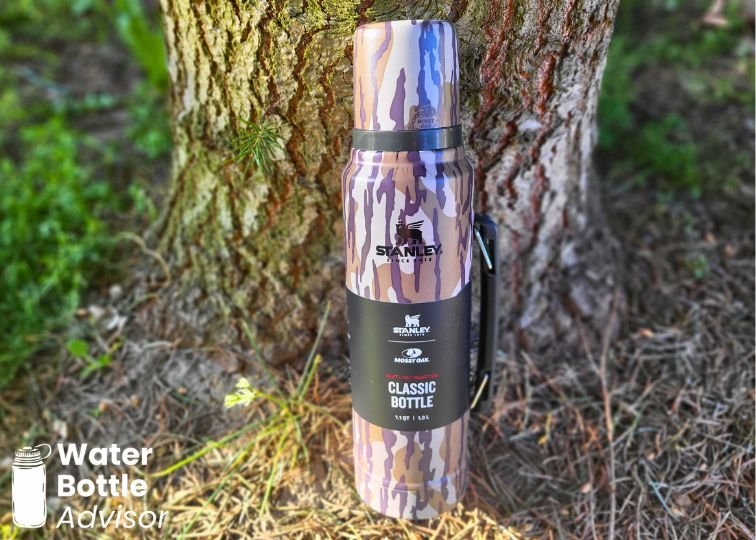
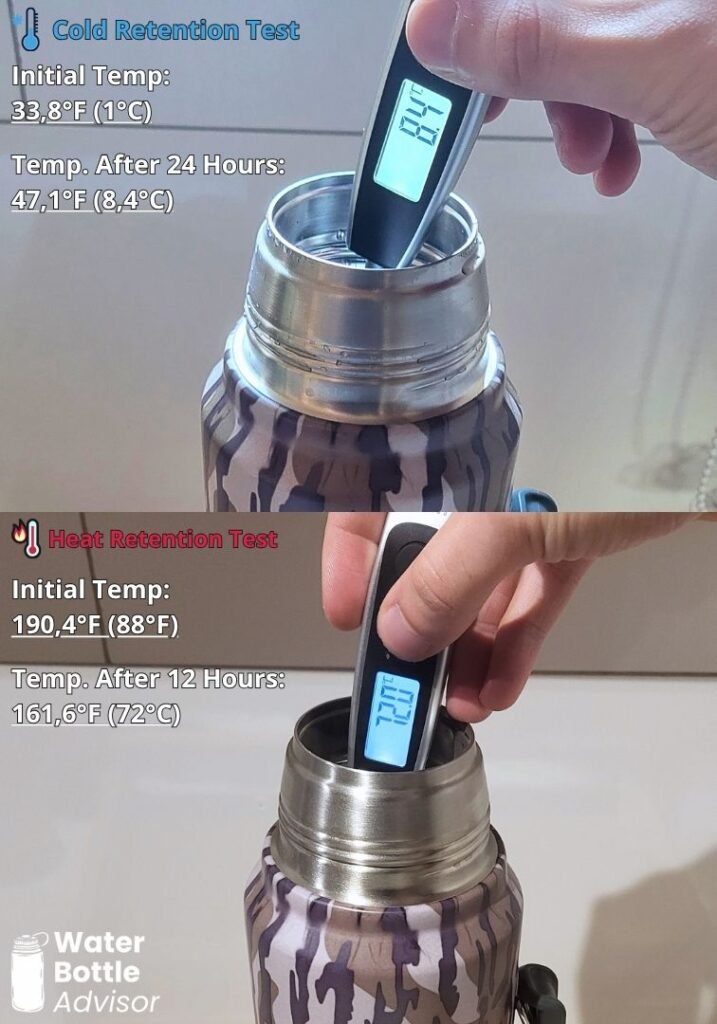
You can use it with both cold and very hot liquids. In my cold retention test, the water temperature rose from 33.8°F / 1°C to 47.1°F / 8.4°C after 24 hours, without ice.
That is an excellent result. But the heat retention is where this bottle really shows off. In my test, the water temperature dropped from 190.4°F / 88°C to 161.6°F / 72°C after 12 hours.
To put that into perspective, it kept the water 22.3°C hotter than the Stanley Quick-Flip Go in the same test. That is not a tiny difference you need a spreadsheet and a dramatic zoom-in to notice. That is a proper gap.
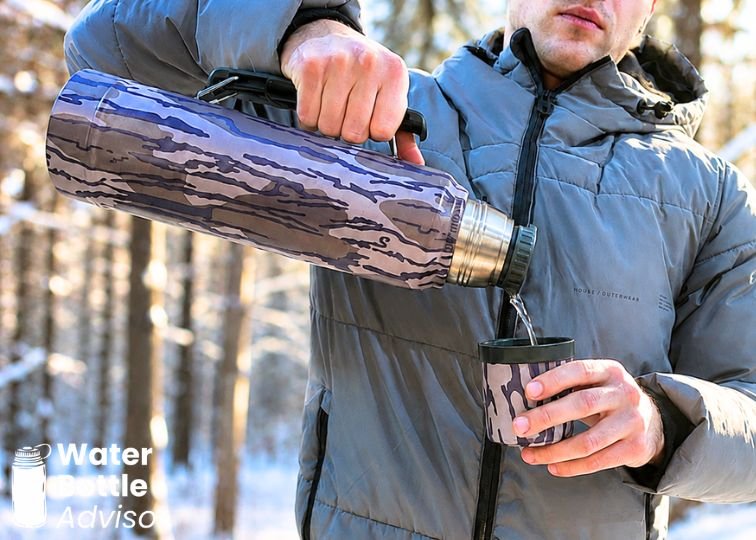
So, if you want tea or coffee to stay not just lukewarm, but actually hot for a long time, this is one of the best Stanley options. It’s also one of my picks for trips into the woods, camping, or hikes where thermal performance matters more than having the lightest bottle possible.
Another useful touch is the cup attached to the top. You can drink straight from it, so you don’t have to pack a separate cup in your backpack.
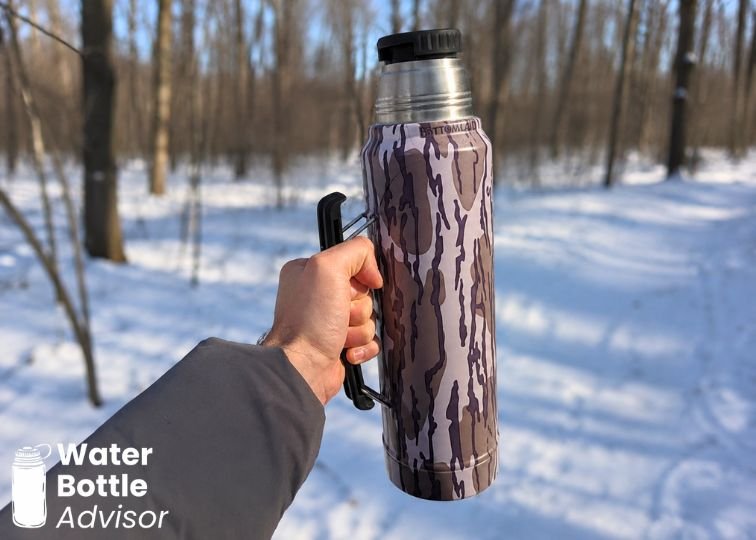
Portability is where things get a bit heavier, literally. The bottle weighs 1.75 lb when empty, so it’s not something I’d casually carry around town all day. But with a large 1.1 QT capacity, that weight is expected.
The folding side handle helps a lot, though. You can grab it with all four fingers, and when you don’t need it, it folds back against the bottle.
So, do I like it? Yes. Very much. It’s not made for every situation, though. I doubt you’d want to haul this thermos on a casual walk in the park or a quick outing with friends, because a smaller bottle would make much more sense there.
But if you spend a lot of time outdoors, go camping, take short hikes, or simply want serious heat retention, the Stanley Classic Legendary Bottle can be truly legendary.
You’ll find more details in my full Stanley Classic Legendary Bottle review.
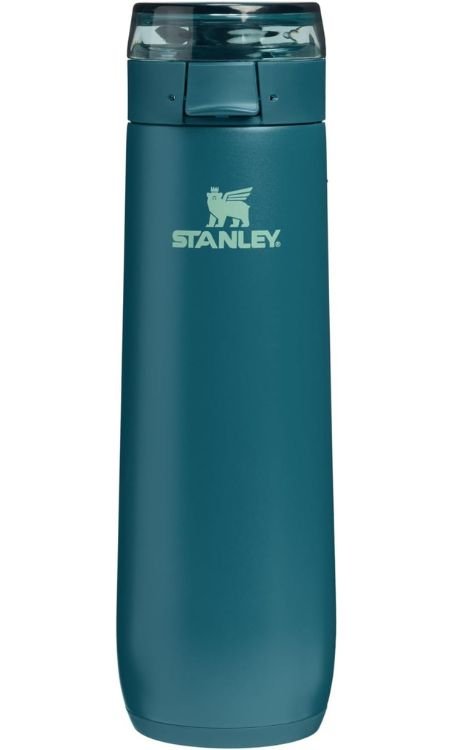
5th Place: Stanley FlowState Spring Bottle
KEY FEATURES
PROS
CONS
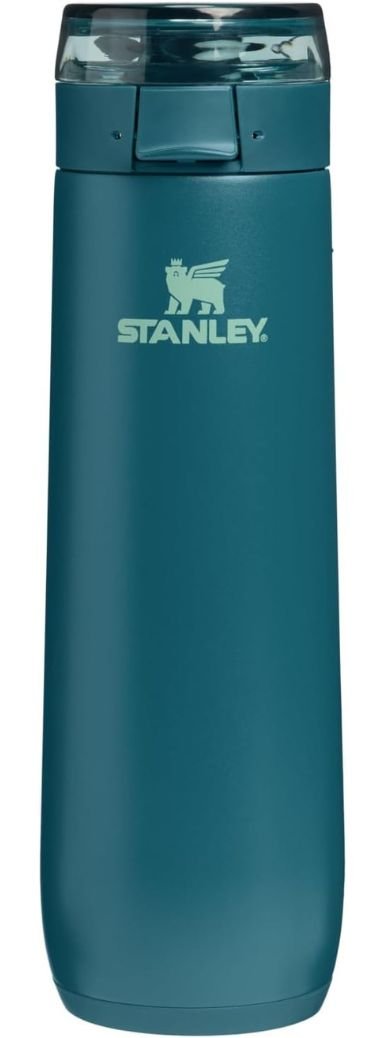
The Stanley FlowState Spring Bottle is one of the better-looking bottles in Stanley’s lineup. It has toned colors, a clean desk-friendly design, and an unusual shape with a wider base that gradually tapers toward the top.
That shape is not just for looks, either. It helps with grip, and I found the bottle easy to pick up, move around, and carry during the day. It also fits in cup holders without a fight, and there’s a small carrying loop that fits two fingers.
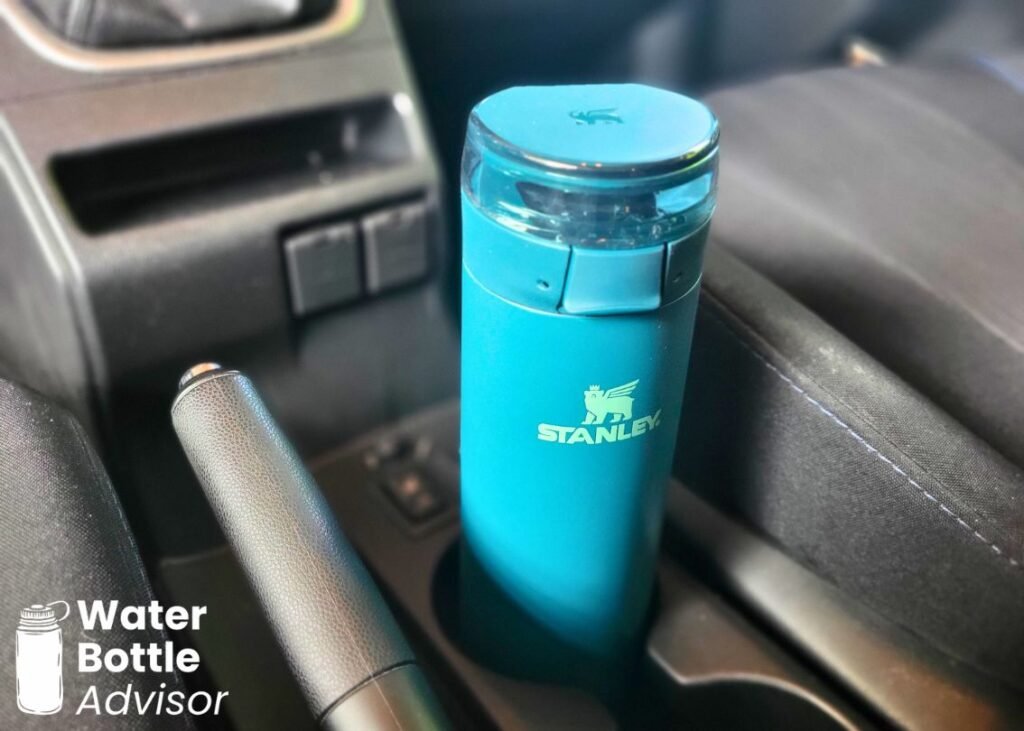
The lid has a small spout connected to a straw, so this is not the bottle I’d pick for fast chugging. It’s more of a calm sipping bottle. Desk bottle. Errand bottle. “I’m trying to look like I have my life organized” bottle.
The opening mechanism is also interesting. Instead of pressing a button, you slide it down to open the cap. I like this design because it makes accidental openings less likely.
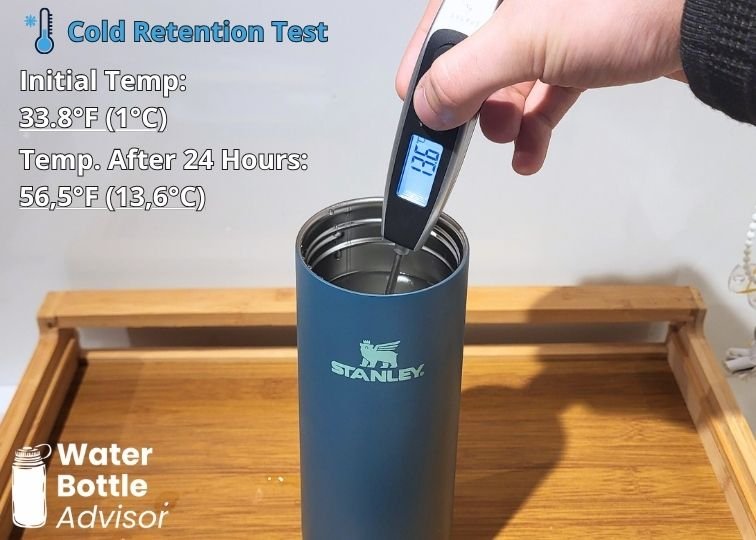
The FlowState Spring uses double-wall vacuum insulation, but it’s made for cold drinks only. In my cold retention test, the water temperature increased from 33.8°F / 1°C to 56.5°F / 13.6°C after 24 hours, without ice.
That’s not the strongest result Stanley offers, but it still passed my personal test of staying under 15°C after 24 hours. Not every insulated bottle manages that, so I’ll give it credit.
There are a few small annoyances. It can whistle if you sip too hard, which is not exactly the soundtrack I want from a water bottle. It’s also not the most versatile Stanley option, mainly because it only comes in a small 20 oz size.
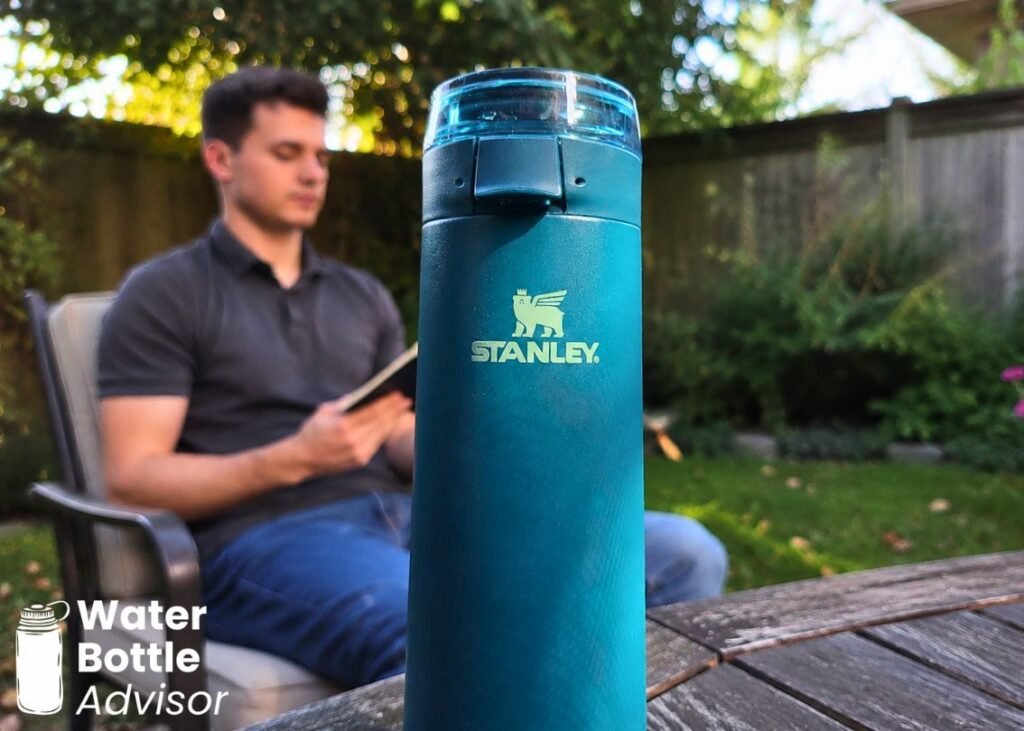
So, it’s not my personal favorite Stanley bottle, but I do like using it at my desk. It looks good, it’s easy to carry, it fits cup holders, and for around $30, it’s not a bad deal.
Read more about it in my full Stanley FlowState Spring Bottle review.
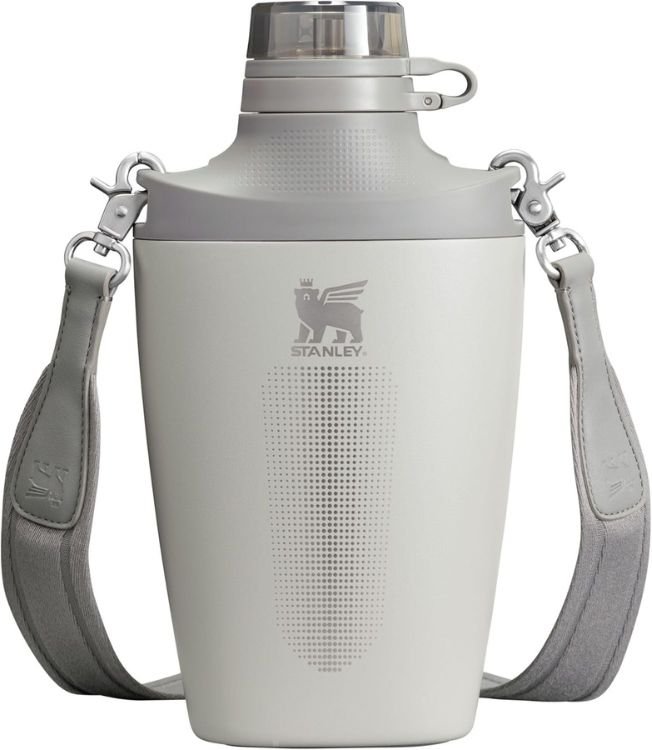
6th Place: Stanley Cross Bottle
KEY FEATURES
PROS
CONS
And lastly, we have the Stanley Cross Bottle.
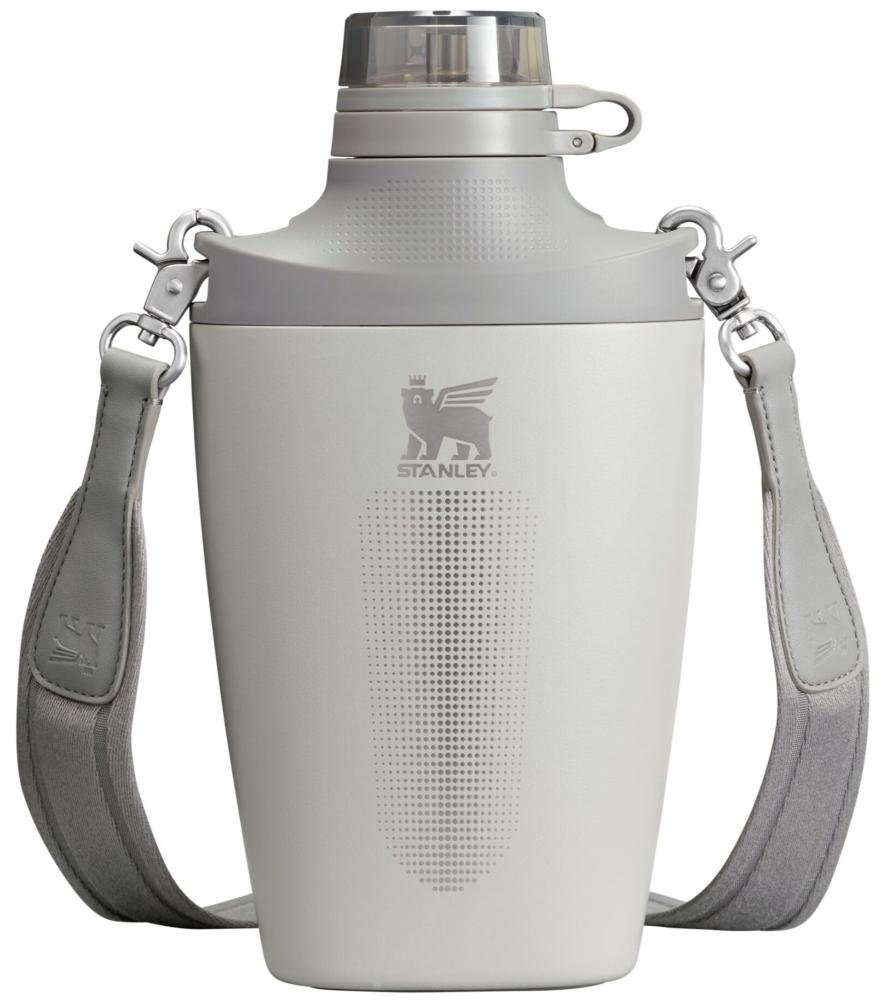
Right off the bat, this is not a bad bottle. I actually like using it. The reason it lands in last place is mainly the price. The MSRP is $75 for a 23 oz bottle, which is hard to ignore. For that money, you could buy two solid bottles, maybe even three.
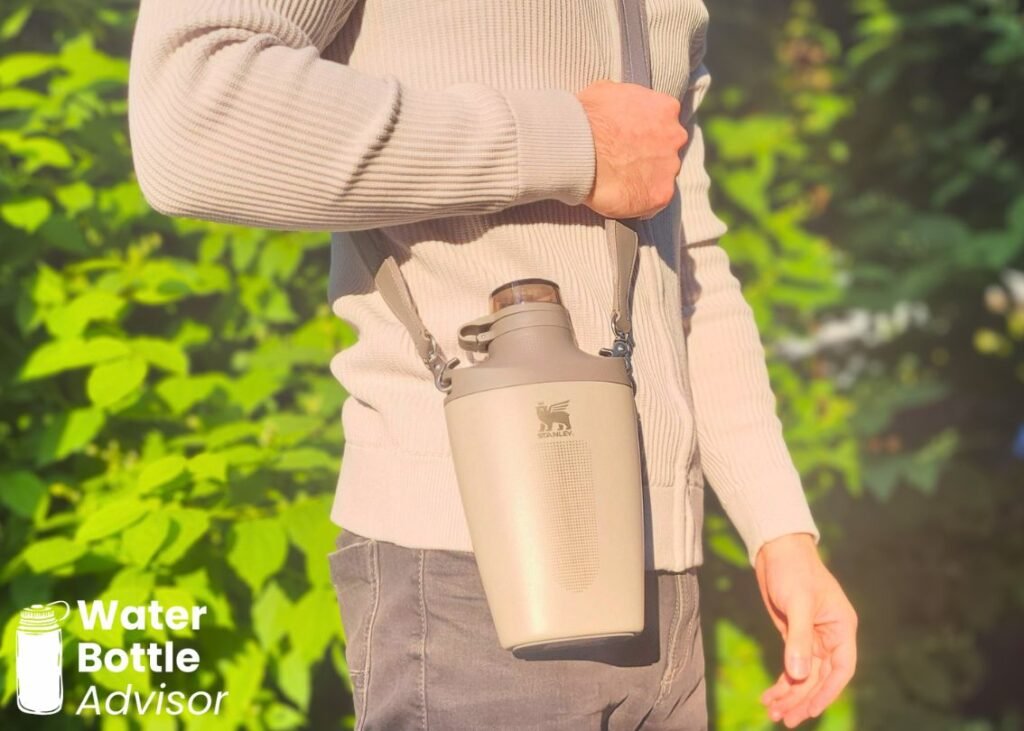
The main selling point of the Cross Bottle is that it’s wearable. It comes with a strap, so you can carry it almost like a small bag or purse. That is rare in the water bottle world, and I always appreciate something different. Most bottles follow the same formula, so the Cross at least tries to bring something new to the table.
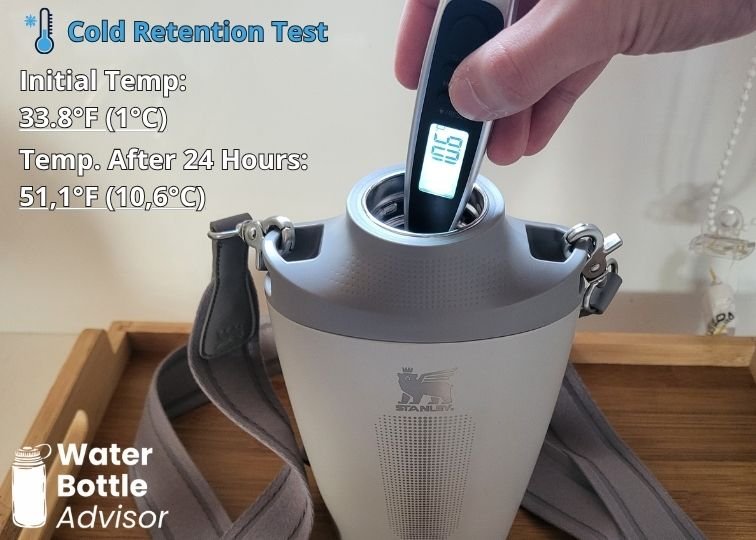
It also performs well where it matters. The Cross Bottle is double-wall insulated, and the cold retention is excellent. In my test, the water temperature increased from 33.8°F / 1°C to 51.1°F / 10.6°C after 24 hours, without ice. That is a very strong result, and not many regular bottles can pull it off.
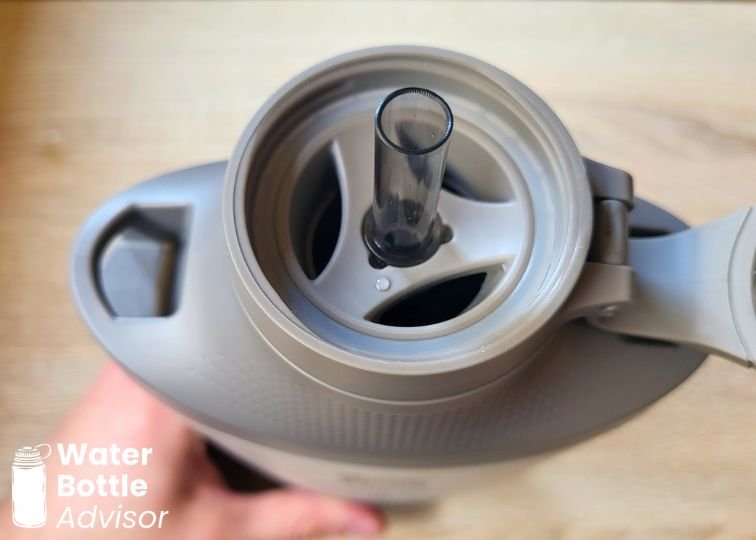
The cap is interesting too. You can sip through the straw or chug without unscrewing the whole lid, which gives it a bit of that Owala FreeSip-style flexibility. Even better, the straw stays hidden under the cap, so it feels cleaner than bottles with exposed straws poking out in the open.
So no, this bottle is not useless. Far from it. It’s wearable, insulated, comfortable to drink from, and more unique than most Stanley bottles. I enjoy using it.
But the price is the problem. I just can’t look at a 23 oz bottle for $75 and tell you to run and buy it like we’re all made of spare gift cards. I’d recommend the Stanley Cross Bottle only if budget is not a concern, you want something more unusual, or you’re a serious Stanley fan.
For most people, one of the other Stanley bottles in this ranking will make more sense and save you a good chunk of money.
There’s more to say about this bottle, so read my full Stanley Cross Bottle review.
Final Thoughts
Stanley’s lineup is much wider than it first appears. It’s not just endless colors, although at this point there may be enough Stanley colors to organize them by mood, season, and minor life crisis. The brand also has plenty of different models, and each one fits a slightly different type of user.
I hope this guide helped clear up the differences and made it easier to choose the right Stanley bottle for your lifestyle.
If you want a proper everyday all-rounder, the Stanley Quick-Flip Go, Wellspring, and IceFlow are all strong options.
If you want serious heat retention and something closer to a proper thermos, the Stanley Classic Legendary Bottle is the one I’d choose.
The FlowState Spring and Cross Bottle are the ones I use the least. They’re still decent bottles, but they feel less practical than the others.

Jeremiah Kowalski
Jeremiah Kowalski is a drinkware product researcher who has personally tested 50+ reusable water bottles, tumblers, mugs, and filtration systems from leading brands. He focuses on real-world performance, durability, and safety to help readers choose drinkware that actually fits their daily hydration needs.