
I’ve tested dozens of bottles at this point, and stainless steel is still the material I come back to most.
Plastic bottles have their place. I still use some. But once you get used to a bottle that doesn’t sweat all over your desk, doesn’t pick up that plasticky taste, and can keep water cold through a long day, it’s hard to go back.
The problem is that “stainless steel” doesn’t automatically mean great. Some bottles are heavy bricks. Some have annoying lids. Some clean terribly. Some look tough in product photos and then dent the first time they meet a sidewalk.
These are the five steel bottles I’d actually buy again.
Some of the links on this page are affiliate links. This means that if you click on one of the links and make a purchase, I may earn a small commission at no additional cost to you.
Coldest Bottle | Hydro Flask Travel Bottle | Owala FreeSip Sway | Hydro Flask Trail Series | YETI Rambler | |
|---|---|---|---|---|---|
 | 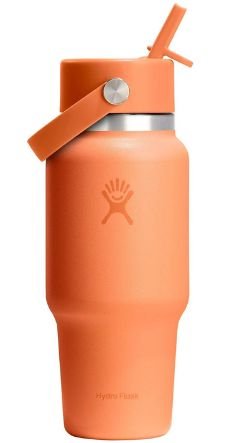 | 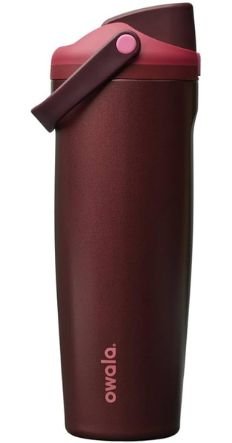 | 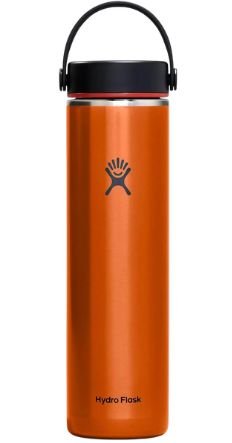 | 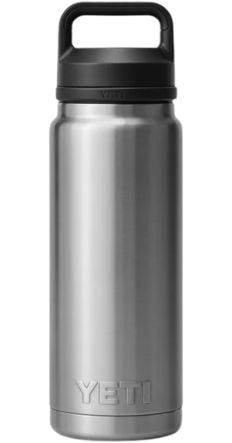 | |
Category | Best Overall | Best for Travel | Best Lid | Best Lightweight | Best Durability |
Recommended Size | 32 oz | 32 oz | 30 oz | 24 oz | 26 oz |
Price | $40 | $45 | $35 | $45 | $40 |
Material | 18/8 Stainless Steel | 18/8 Stainless Steel | 18/8 Stainless Steel | 18/8 Stainless Steel | 18/8 Stainless Steel |
Review | |||||
My Score | 4.8/5 | 4.7/5 | 4.5/5 | 4.5/5 | 4.3/5 |
Buy Now |
Best Overall: Coldest Bottle
KEY FEATURES
PROS
CONS
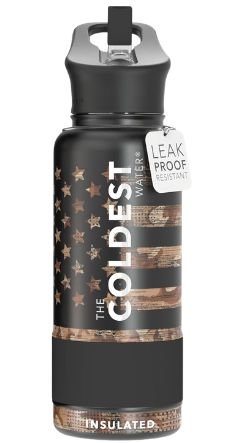
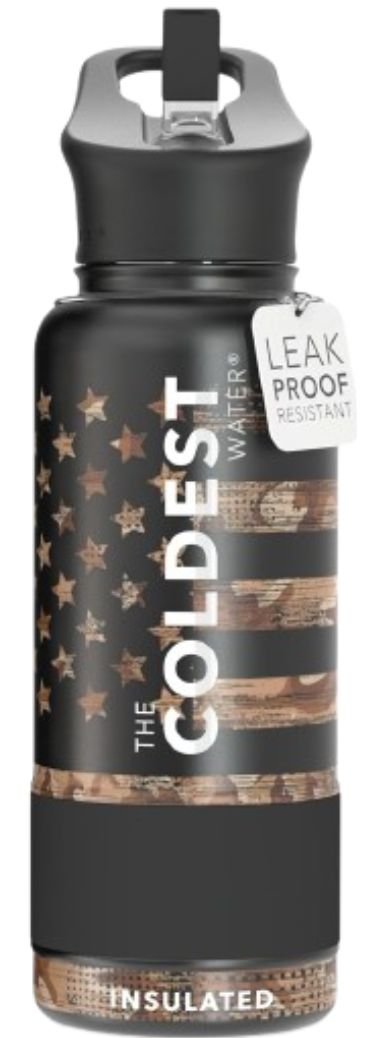
The Coldest Bottle is my top pick here, and not just among stainless steel bottles. It’s my best water bottle out of the 100+ bottles and tumblers I’ve tested so far.
A lot of insulated bottles make you choose. You can get great insulation, but the bottle weighs a ton. You can get something easier to carry, but the cold retention drops. You can get something durable, but the lid feels like an afterthought.
The Coldest Bottle gets more of those things right at the same time.
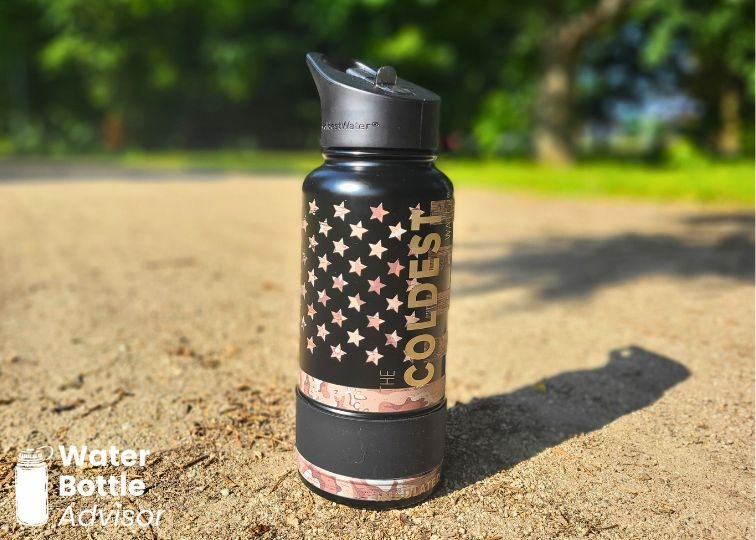
The biggest reason is insulation. Most insulated bottles use double-wall vacuum insulation, but the Coldest Bottle uses a triple-wall design. I don’t treat “triple-wall” as magic marketing, but in my testing, this bottle backed it up.
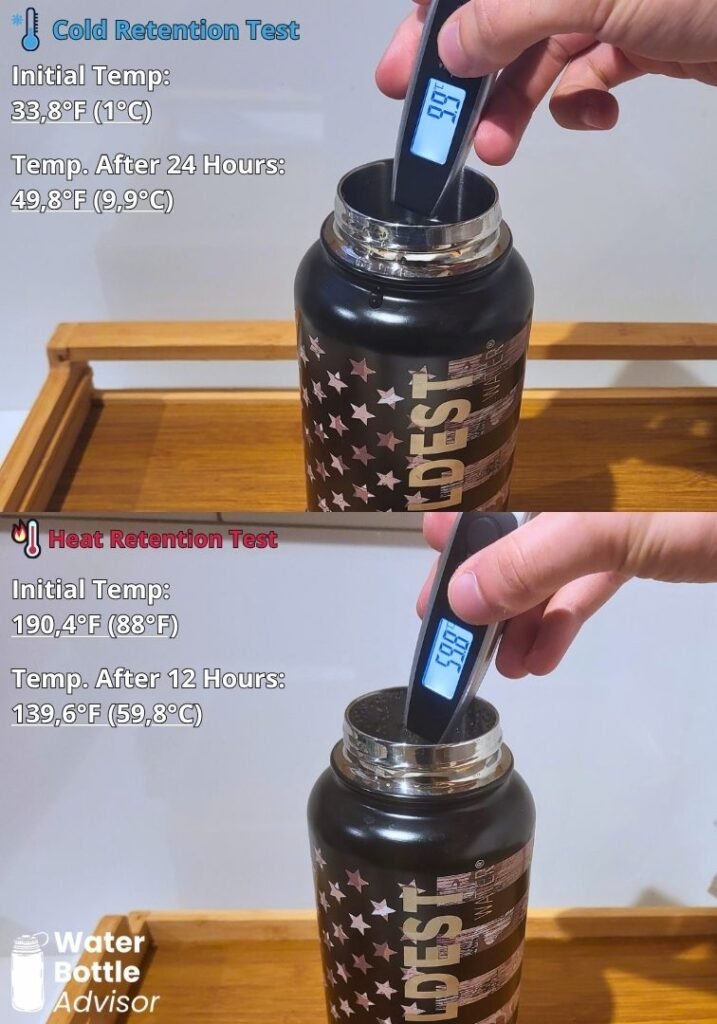
In my cold retention test, the water in my 32 oz Coldest Bottle went from 33.8°F (1°C) to 49.8°F (9.9°C) after 24 hours without ice. I personally consider water properly cold if it stays under 59°F (15°C), and this bottle stayed well below that.
It also handles hot drinks, which makes it more useful than bottles that are cold-only.
In my heat retention test, the water dropped from 190.4°F (88°C) to 139.6°F (59.8°C) after 12 hours. For me, water is still meaningfully hot if it stays above 122°F (50°C), so the Coldest Bottle passed that test easily.
The safety side is another reason I rate it so highly. It’s BPA-free, BPS-free, phthalate-free, and lead-free, which is still not as common as it should be in the insulated bottle space.
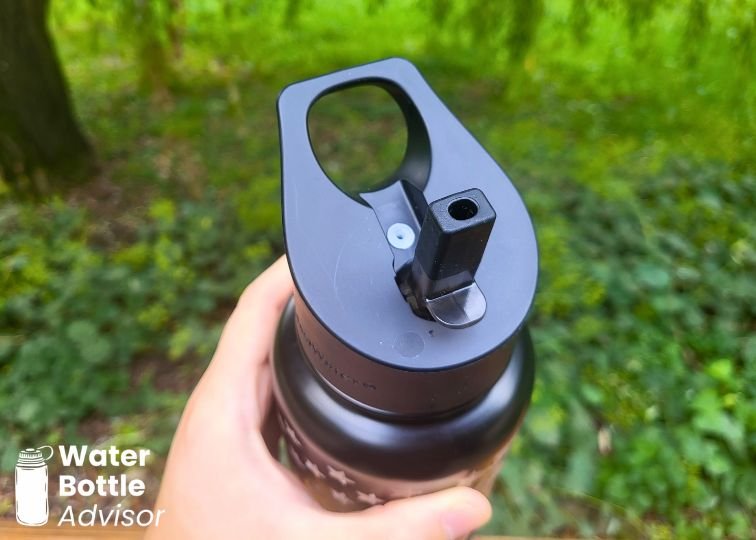
I also like the lid setup. The bottle comes with a straw lid by default, but Coldest offers several lid options, and they’re interchangeable. A bottle you can adjust with a different lid is a bottle you’ll use in more situations.
After two years with mine, it still looks and works great. It’s easy enough to clean, it feels sturdy, and the color options are way more interesting than the usual black, navy, and sad gray lineup most brands lean on.
The 32 oz size is the one I’d pick. It gives you enough water for real use, but it doesn’t feel ridiculous to carry.
If you want more details before buying, read my full Coldest Bottle review.
Best Portability: Hydro Flask Travel Bottle
KEY FEATURES
PROS
CONS
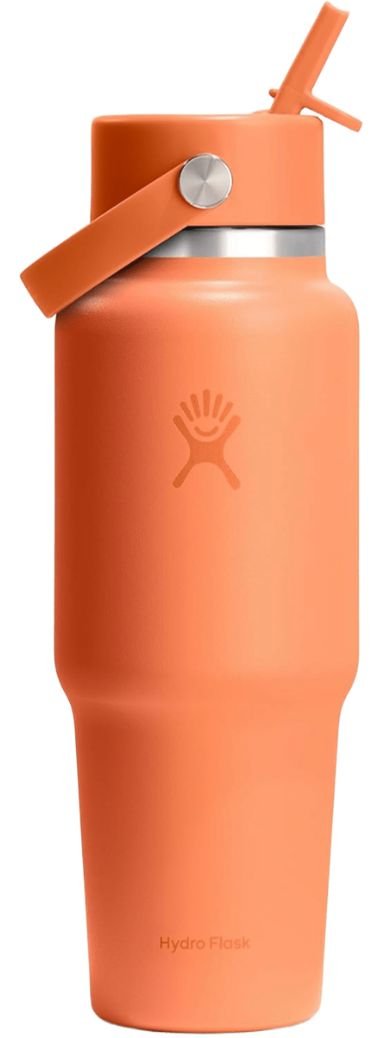
I’ve used a lot of Hydro Flask bottles over the years, but the Hydro Flask Travel Bottle surprised me more than most, because it behaves like a bottle and a tumbler at the same time.
It has a tapered base, so it fits in car cup holders, treadmill cup holders, and other narrow holders that most regular insulated bottles completely ignore. That sounds boring until you’re actually driving and your bottle is rolling around on the passenger seat because it doesn’t fit anywhere useful.
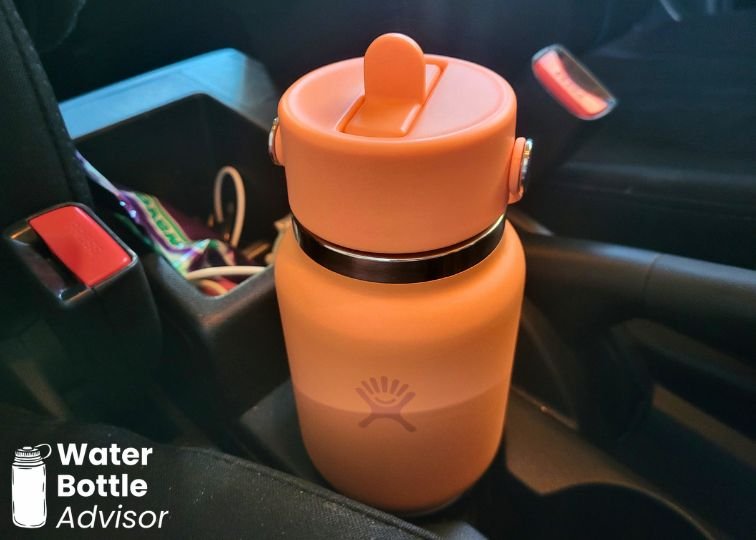
I spend a lot of time in the car, so cup-holder fit matters to me. If the bottle doesn’t fit, I either put it on the seat or on the floor. Then I can’t reach it easily, or worse, it tips over and I’m left hoping the lid was screwed on properly. Nobody needs a wet seat because a water bottle decided to be difficult.
The Hydro Flask Travel Bottle avoids that problem, even in larger sizes. That’s the part I like most. A lot of bottles that fit cup holders are small because the base needs to stay under roughly 3 inches. This one keeps the tapered bottom while still giving you useful capacity, including the 40 oz size.
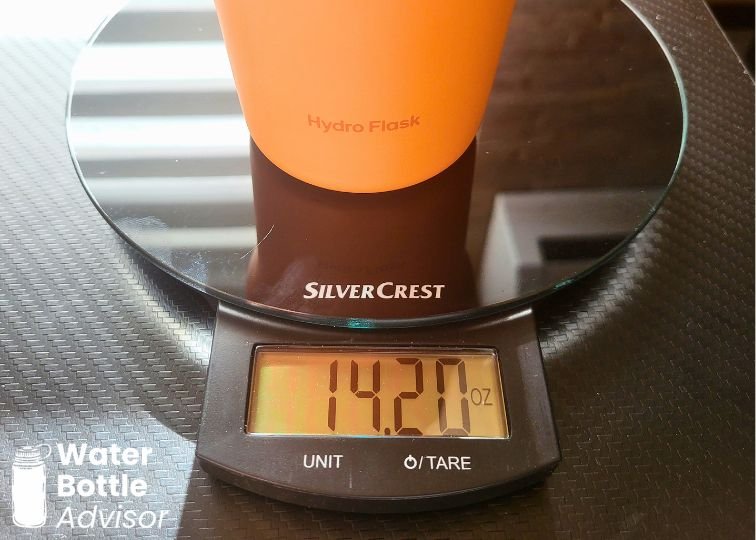
The weight is also reasonable. My 24 oz bottle weighs 14.2 oz empty, which is good for an insulated steel bottle.
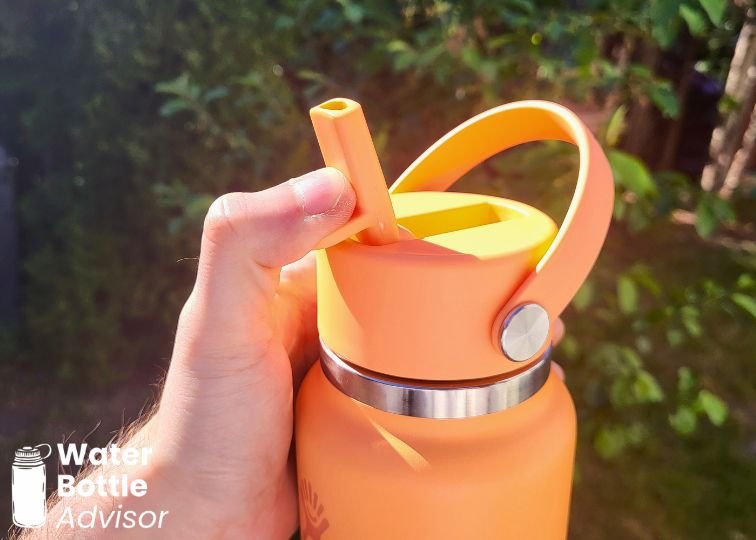
The handle is one of the better ones I’ve used, too. It gives all four fingers room, feels soft enough in the hand, and doesn’t dig into my fingers when the bottle is full. I’ve carried it for long stretches without thinking about it much, which is usually the best compliment a handle can get.
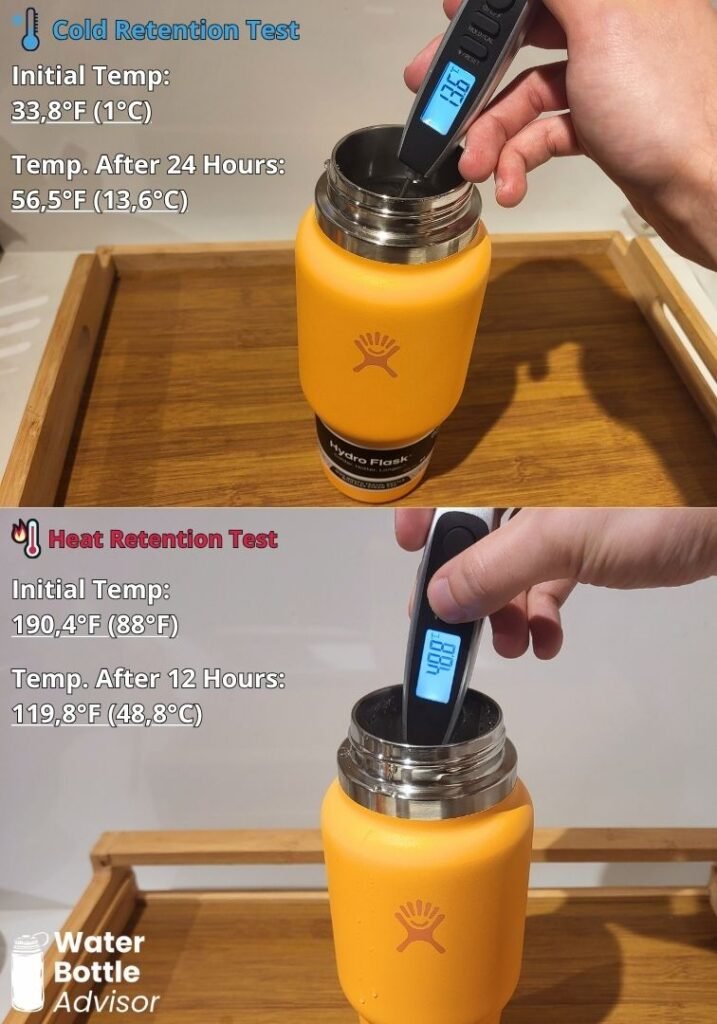
The insulation is good, too. In my cold retention test, the water went from 33.8°F (1°C) to 56.5°F (13.6°C) after 24 hours without ice. In my heat retention test, it dropped from 190.4°F (88°C) to 119.8°F (48.8°C) after 12 hours.
That’s not the strongest insulation I’ve tested, but it’s good enough for the way I’d use this bottle. The portability is the main reason to buy it.
I’d recommend the Hydro Flask Travel Bottle especially if you move around a lot, drive often, or hate carrying oversized steel bottles that feel heavier than they need to.
You can read more about my full experience in my Hydro Flask Travel Bottle review.
Best Lid: Owala FreeSip Sway
KEY FEATURES
PROS
CONS
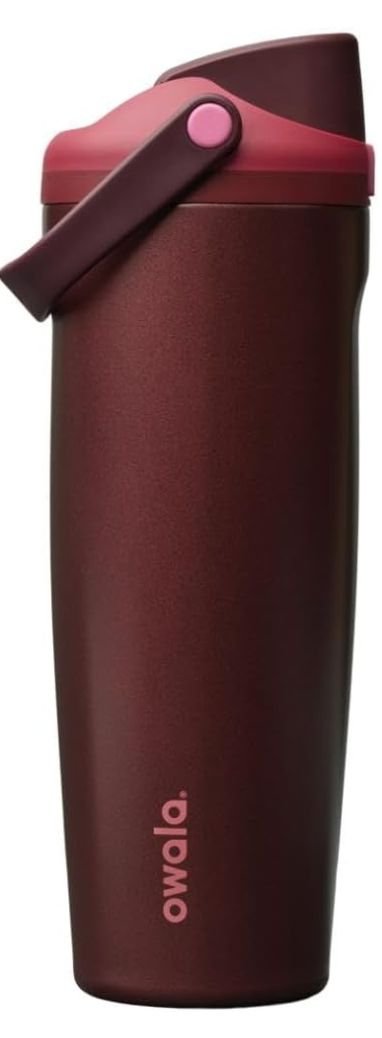
If the lid matters to you as much as the bottle body, the Owala FreeSip Sway is the one I’d look at first.
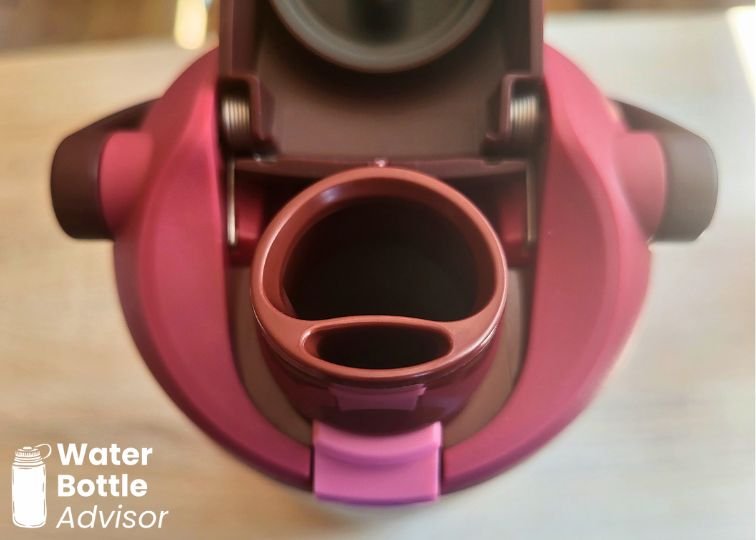
Owala’s FreeSip lid is still one of the smartest drinking designs I’ve used. You can sip through the straw or tilt the bottle back and chug from the same opening. No lid swapping. No unscrewing. You just drink the way you want in that moment.
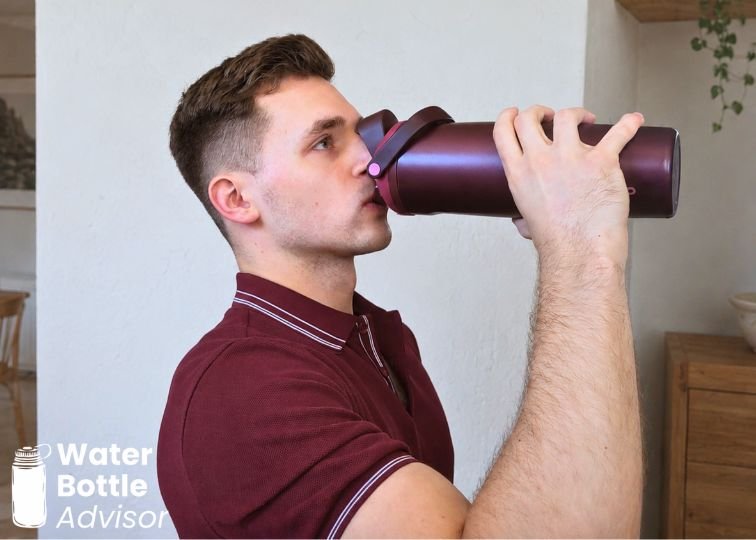
That sounds small, but it changes how often you reach for the bottle. I like options, especially when I’m switching between working at my desk, walking around, driving, or recovering from pretending I’m still in peak soccer shape.
The hygiene setup is also better than most straw bottles. The spout and straw opening stay covered under the cap, so they’re not sitting out in the open collecting dust and lint.
That’s one of the reasons I prefer the Sway over bottles with exposed straws. I’m not saying an exposed straw will ruin your life, but I’m definitely cleaning that type of lid more often.
The Sway definitely has that Owala look. It’s more playful than most stainless steel bottles, and Owala’s color range is huge. Some people don’t care what their bottle looks like. I do. A bottle you actually like looking at is a bottle you’re more likely to keep nearby.
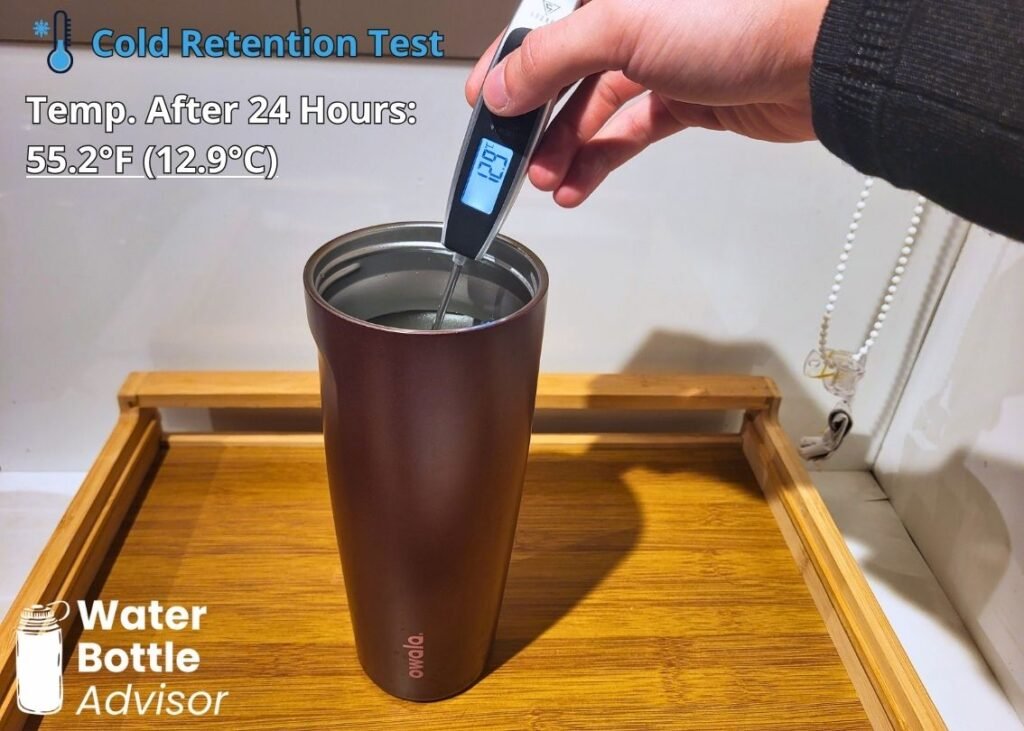
The insulation is strong, too. In my cold retention test, the water went from 33.8°F (1°C) to 55.2°F (12.9°C) after 24 hours without ice. That’s more than cold enough for a full day.
The weak spots? It’s not for hot drinks, it isn’t dishwasher safe, and the lid takes more attention to clean than a simple screw cap. Those things matter. But if drinking comfort and covered spout hygiene are high on your list, the Sway is hard to ignore.
Read my full Owala FreeSip Sway review for the details.
Best Lightweight: Hydro Flask Trail Series
KEY FEATURES
PROS
CONS
Stainless steel bottles are rarely light. They can be lighter or heavier, sure, but if you want featherweight, plastic usually wins.
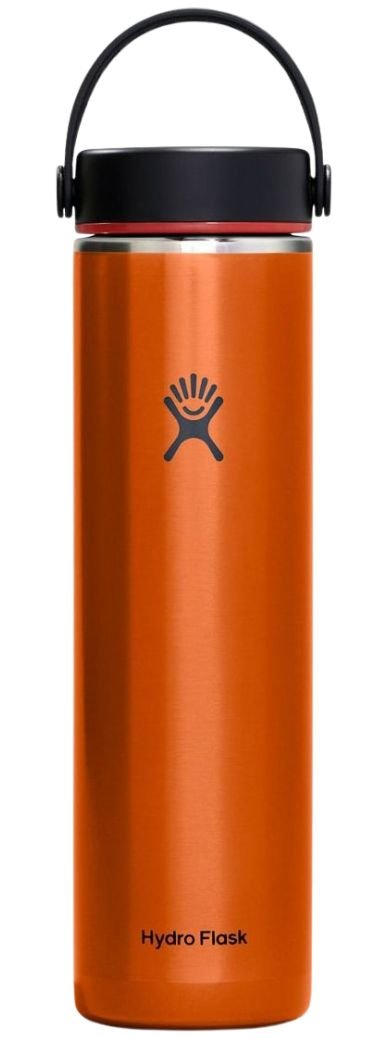
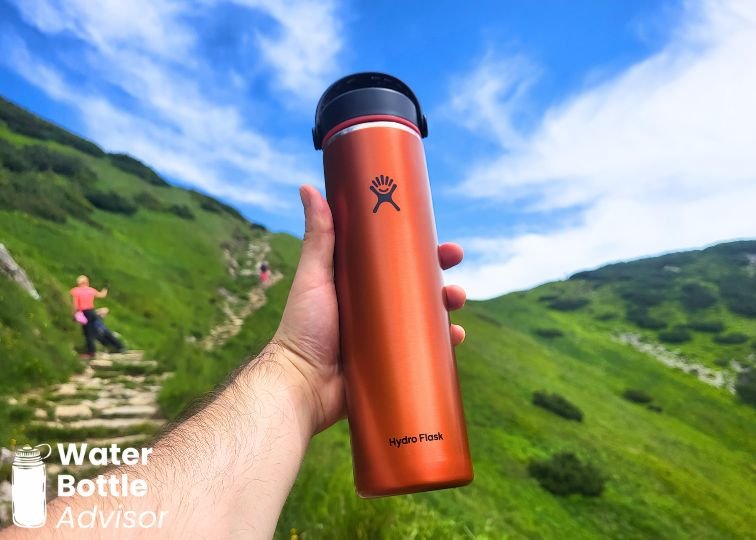
The Hydro Flask Trail Series is the closest I’ve found to a steel bottle that doesn’t feel like a chore to carry.
My 24 oz Trail Series weighs just 10.2 oz empty. For an insulated stainless steel bottle, that’s excellent. The first time you pick it up, you can tell Hydro Flask trimmed weight wherever it could.
What makes it more impressive is that it still has proper insulation. Some lightweight bottles feel like they cut too much to get there. This one doesn’t.
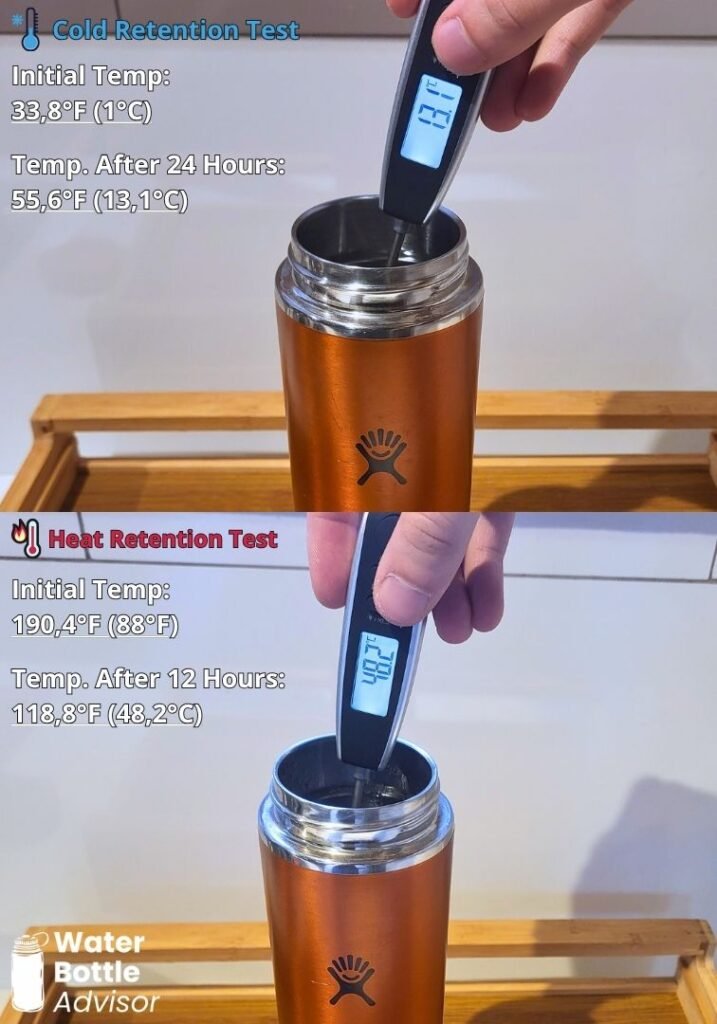
In my cold retention test, the water went from 33.8°F (1°C) to 55.6°F (13.1°C) after 24 hours without ice. In my heat retention test, it dropped from 190.4°F (88°C) to 118.8°F (48.2°C) after 12 hours.
Those numbers are not class-leading, but for a bottle this light, I’ll take them.
The Trail Series is the bottle I’d grab when I don’t want to think about weight: longer walks, day trips, errands, light hikes, or any day where I know I’ll be carrying enough other stuff already.
There are tradeoffs. It’s expensive. I paid $45 for the 24 oz size, and the larger sizes cost even more. It’s also not dishwasher safe, and the finish can pick up scratches more easily than a heavier, chunkier bottle.
Still, I love this bottle. If you want steel insulation without the usual steel-bottle weight, this is the one I’d start with.
Best Durability: YETI Rambler
KEY FEATURES
PROS
CONS
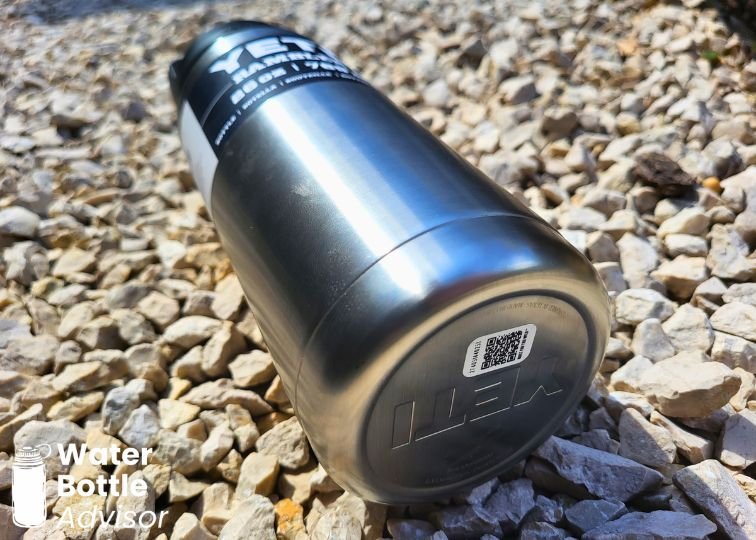
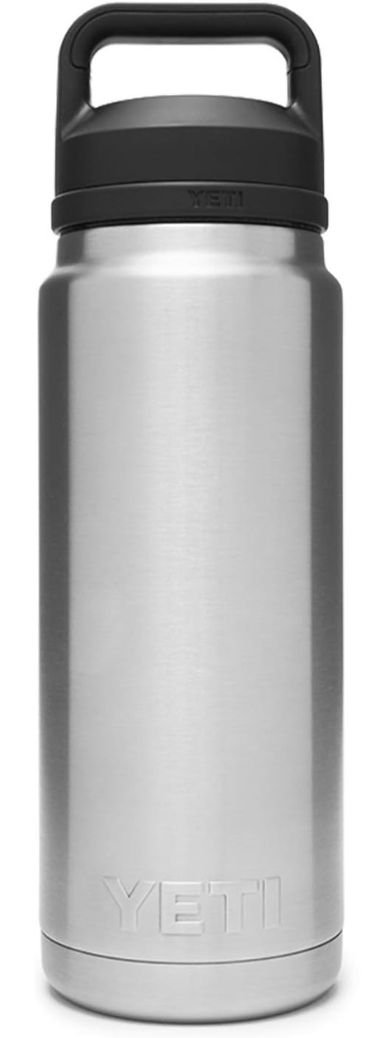
The YETI Rambler is the bottle I trust most when I’m not planning to treat a bottle gently.
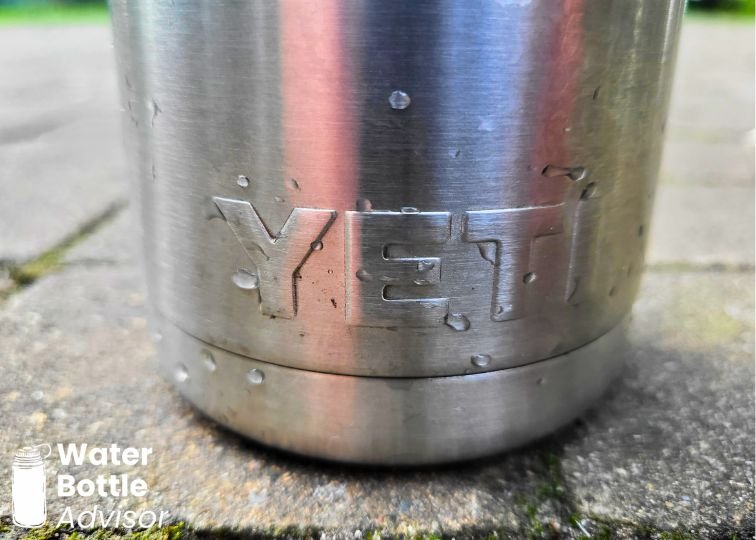
A lot of stainless steel bottles look tough, but the body can still feel thin. The YETI Rambler feels different. The walls feel thick, the base is reinforced, and the lid plastic doesn’t have that cheap, hollow feel some bottles have.
The base is especially important. That’s where bottles usually take the worst hit when they’re dropped. YETI gives the Rambler a rounded, reinforced bottom that feels built for real bumps, not just product photos.
This is the bottle I’d take camping, to a job site, or anywhere it might get knocked around. I wouldn’t worry much about normal drops or rough use.
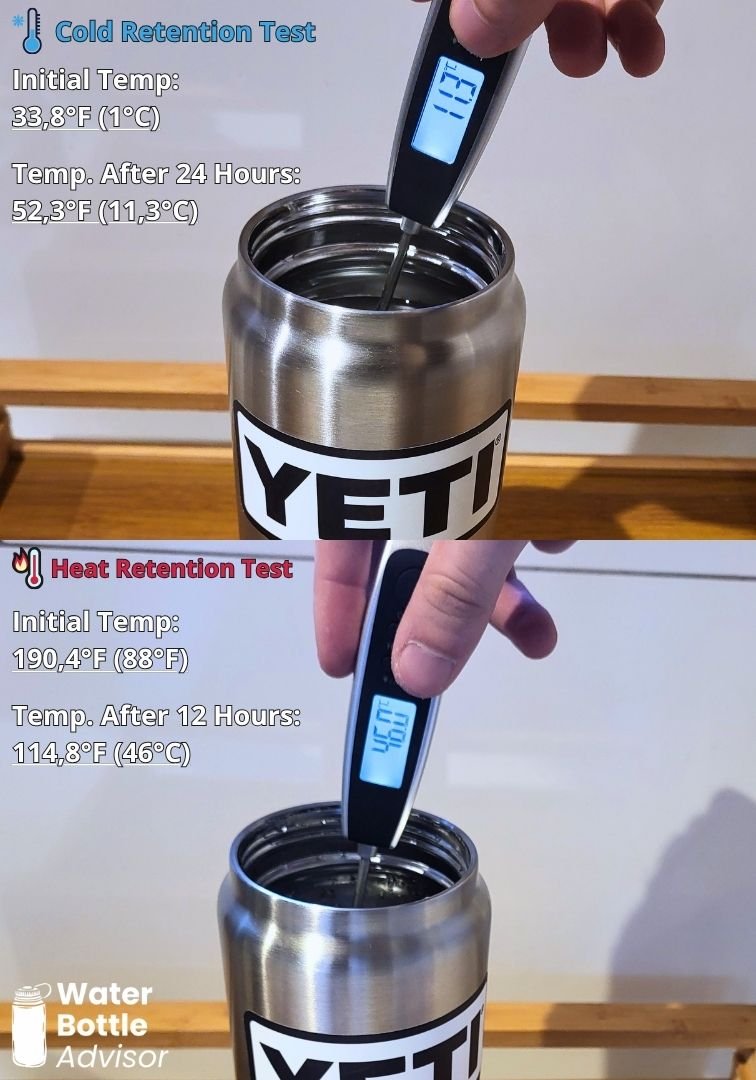
The insulation is good, too. In my cold retention test, the water went from 33.8°F (1°C) to 52.3°F (11.3°C) after 24 hours without ice. For hot water, it dropped from 190.4°F (88°C) to 114.8°F (46°C) after 12 hours.
So for cold drinks, it performs well. For hot drinks, it’s usable, but I wouldn’t pick it first if heat retention is your main priority.
The biggest issue is weight. My 26 oz YETI Rambler weighs 21.55 oz empty, which is a lot for that capacity. For comparison, my Hydro Flask Trail Series is a similar size and weighs about half as much.
You feel that difference. Fill the Rambler with water, toss it in a bag, and it’s not subtle.
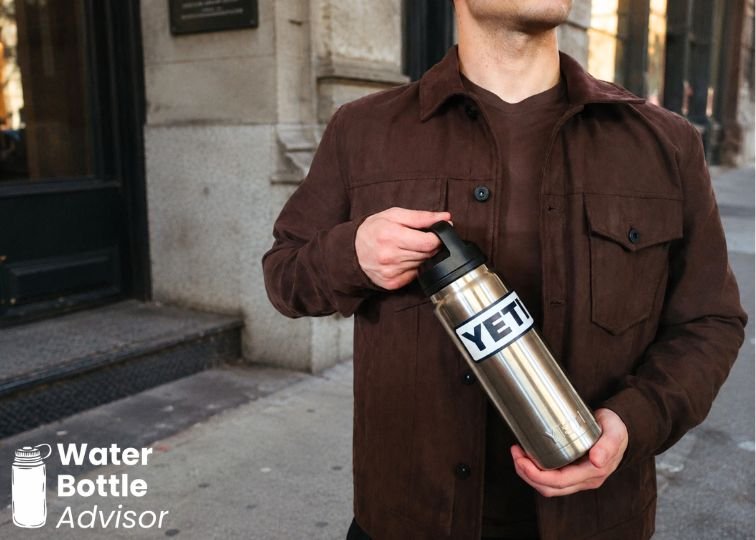
But if durability matters more to you than weight, the Rambler makes sense. It’s not the easiest bottle to carry all day, but it’s the one I’d trust when the bottle might get dragged through a rougher day than usual.
Read my full YETI Rambler review for the full breakdown.
Are Stainless Steel Bottles Safe?
Yes, good stainless steel water bottles are safe for normal drinking, but there are a few details worth checking before you buy one.
The bottle body is usually the least concerning part. Most good stainless steel bottles use 18/8 stainless steel, also known as 304 stainless steel. That type of steel is widely used for food-contact products because it resists rust, doesn’t hold odors the way some plastics can, and doesn’t give water that cheap bottle taste.
The lid matters more than many people think. Even if the bottle body is stainless steel, the cap, straw, spout, gasket, and mouthpiece are usually plastic or silicone. I look for bottles that clearly state they’re free from BPA, BPS, and phthalates. If a brand says nothing about the plastic parts, I don’t love that.
Then there’s the lead issue.
Some vacuum-insulated bottles use a small lead-containing pellet or soldering material to seal the vacuum insulation at the base. In a normal, intact bottle, that material should be sealed away and should not touch your drink or your skin. The problem is damage. If the bottom cap comes off, the base is punctured, or the sealing area becomes exposed, I would stop using that bottle immediately.
This is why I prefer brands that are clear about being lead-free, not just “lead is not in contact with water”. Those are two different claims.
I’d also stop using a stainless steel bottle if I noticed rust inside, deep pitting, flaking paint near the mouth, a damaged base, moldy gaskets that won’t clean properly, or a metallic taste that wasn’t there before.
One more thing: don’t assume every steel bottle can handle hot drinks, carbonated drinks, juice, milk, or other perishable drinks. Some bottles are cold-only. Some lids can build pressure. Some brands warn against carbonation entirely. If the brand doesn’t say it’s safe for hot or carbonated drinks, I wouldn’t test that with your face near the lid.
So yes, stainless steel bottles are safe when they’re well-made, intact, and used the way the brand intends. But the safest pick is not just “any steel bottle”. It’s a bottle with transparent materials, safe lid plastics, a protected or lead-free base seal, and a design that matches what you actually plan to drink from it.
What to Look for in a Stainless Steel Water Bottle
Most buying guides tell you to look at size, insulation, and price. Fine. Those matter. But after testing more than 100 bottles, I think the smaller details tell you more about whether you’ll still like the bottle after two weeks.
1. Check the empty weight, not just the capacity
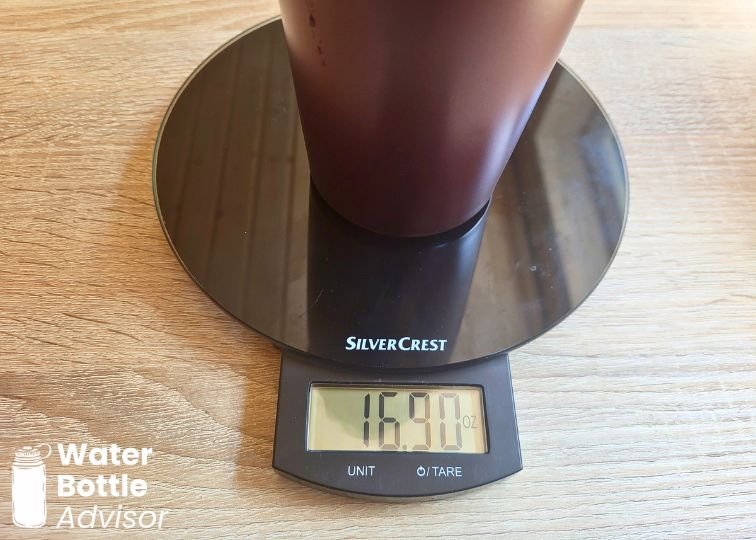
A 32 oz bottle can be easy to carry or weirdly exhausting. The capacity doesn’t tell the full story.
Look at the empty weight. Then imagine it full of water. A 32 oz bottle already carries about 2 pounds of water before you even count the bottle itself. If the bottle is heavy empty, it can quickly become something you leave at home.
This is why I like comparing weight to capacity. A 24 oz bottle that weighs 21 oz empty is not doing you many favors unless it’s built for serious durability.
2. Look at the base width if you drive a lot
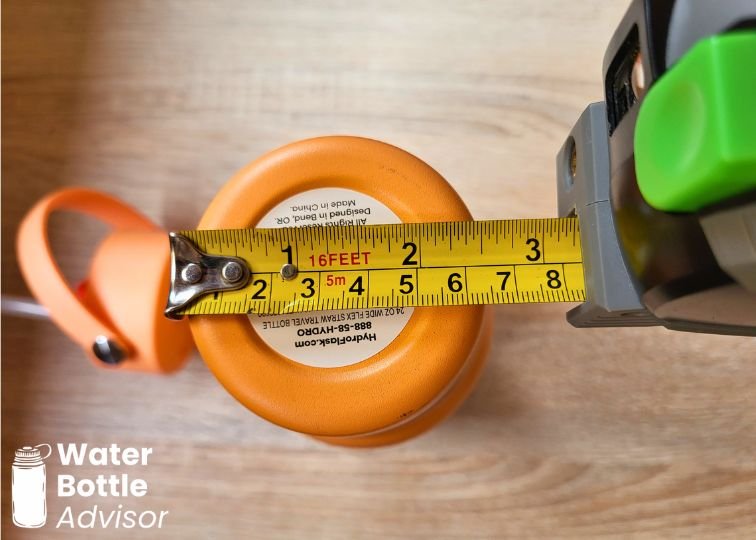
If you want a bottle for the car, don’t just look at the total width. Look at the base.
Most car cup holders are not friendly to wide insulated bottles. A base under about 3 inches gives you a much better shot. Tapered bottles and travel-style bottles are usually better here than traditional wide cylinders.
This is one reason the Hydro Flask Travel Bottle is so useful. It gives you real capacity without turning your cup holder into decoration.
3. Count the lid parts before buying
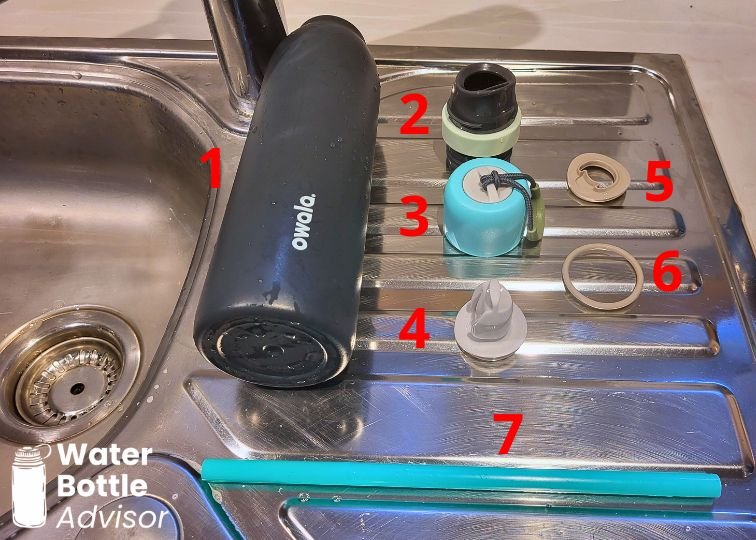
A bottle can look amazing online and then punish you every time you clean it.
Look at how many pieces the lid has. Straw, gasket, spout cover, mouthpiece, valve, thread gasket, removable insert – all of that has to be cleaned eventually. If the lid has six tiny parts, you should know that before it becomes your daily bottle.
Simple lids are boring, but boring is sometimes exactly what you want at the sink.
4. Don’t assume “insulated” means good insulation
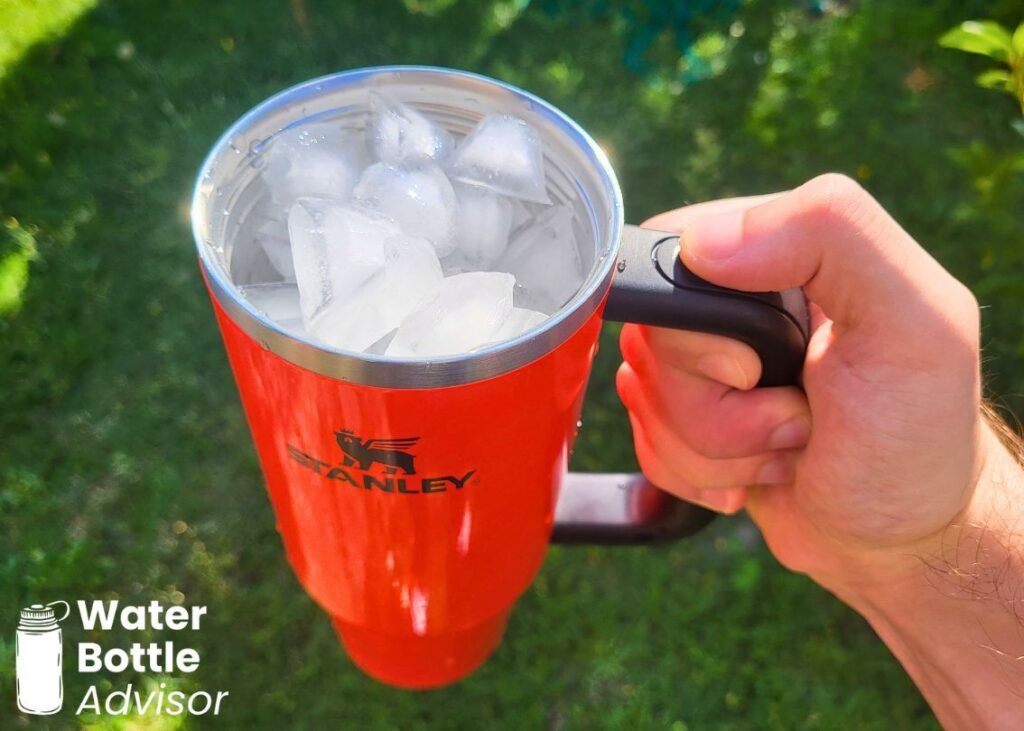
Almost every stainless steel bottle claims it keeps drinks cold for hours. That claim is nearly useless without real testing.
The better question is: cold enough after 24 hours, or just not room temperature?
In my own testing, I care whether water stays below 59°F (15°C) after 24 hours without ice. The best bottles stay well below that. The weaker ones technically “keep drinks cold”, but only in the softest possible sense.
5. Check whether it can handle hot drinks
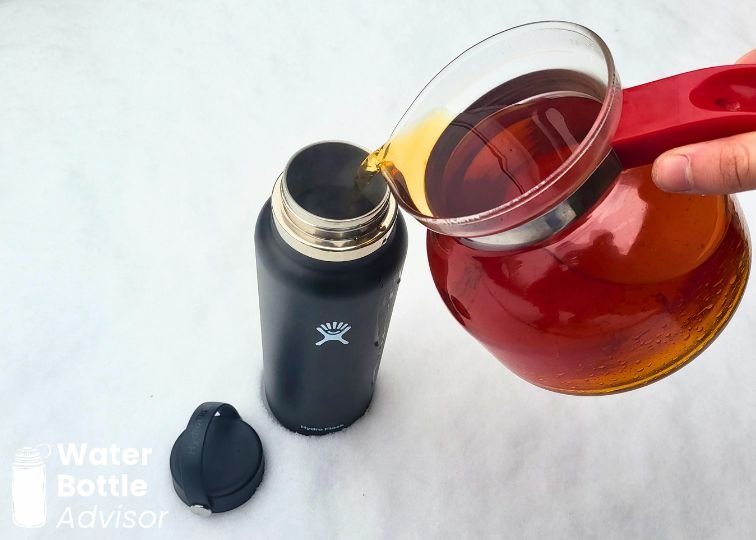
Some steel bottles are cold-only. Some can handle hot drinks safely. Some lids are not made for heat at all.
If you drink coffee, tea, or hot water, don’t guess. Check the brand’s instructions. A bottle being stainless steel does not automatically mean the lid is safe for hot liquids.
Also, be careful with straw lids and hot drinks. Even if the bottle body can handle heat, the lid design may not be made for it.
9. Think about the handle before the color
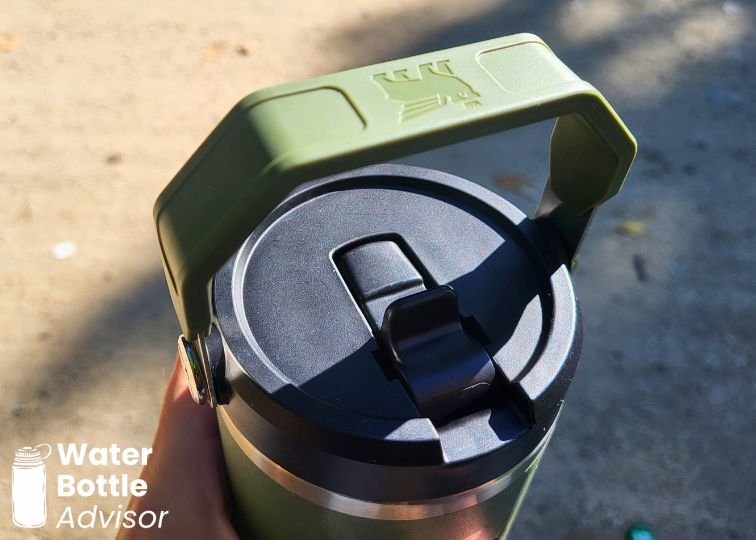
Colors are fun. I care about them too. But the handle affects your day more.
Can you fit all four fingers through it? Does it dig into your hand when the bottle is full? Can you carry it while holding keys, groceries, or a phone? Does the handle help you unscrew the lid, or is it just there for looks?
A bad handle makes a heavy bottle feel even heavier.
Final Thoughts
If I could only keep one stainless steel bottle from this list, I’d keep the Coldest Bottle. It has the insulation, the lid options, the safety profile, and the day-to-day usability I want from a bottle I’m going to use constantly.
But the right pick depends on what would annoy you most.
If heavy bottles drive you crazy, get the Hydro Flask Trail Series. If you live in your car, look at the Hydro Flask Travel Bottle. If the lid matters most, the Owala FreeSip Sway is the most enjoyable to drink from. If you want something that can take a beating, the YETI Rambler is the safest bet.
Steel bottles can be great. Just don’t buy one because the product page says “keeps drinks cold.” Every bottle says that. Buy the one that fits your actual day.

Jeremiah Kowalski
Jeremiah Kowalski is a drinkware product researcher who has personally tested 50+ reusable water bottles, tumblers, mugs, and filtration systems from leading brands. He focuses on real-world performance, durability, and safety to help readers choose drinkware that actually fits their daily hydration needs.