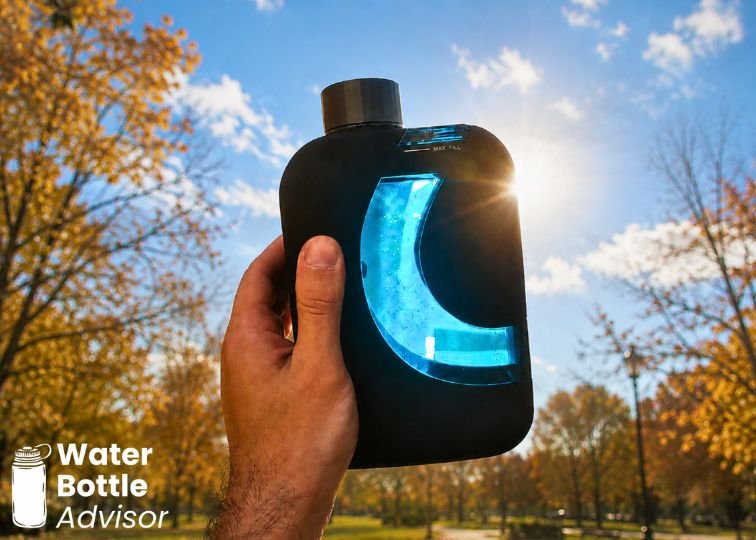

The fact that you landed on this article probably means you’re already aware that not every water bottle is worth trusting. Some are perfectly safe. Others? Not so much. And if you’re here, chances are you don’t want to grab the first decent-looking bottle from a supermarket shelf and hope for the best.
I felt the same way after reading a recent study on plastic water bottles for kids sold across Europe. More than half of the tested bottles were found to release DiBP, an endocrine-disrupting chemical that belongs to the phthalate family. And that’s not the only study raising concerns. There are plenty of similar findings out there, which is a good reminder that unsafe bottles are still being produced today.
That doesn’t mean you need to panic or throw away every bottle you own. But it does mean that choosing a water bottle carefully is a smart move, especially if you use it every day.
Below, I’ll walk you through the demanding selection process I used to find the safest water bottles, followed by my top picks that I’ve bought, used, and tested myself.
My Selection Process & Requirements
Here’s how I chose the bottles for this guide.
First, I left out bottles where the main bottle body is made from plastic. That doesn’t mean I think all plastic bottles are dangerous. Far from it. Reputable brands such as Nalgene or YETI make safe plastic bottles, and I still use some of them myself.
But for this particular guide, I wanted to keep the focus on glass and stainless steel bottles, since they’re usually the easiest choices for people who want to reduce plastic contact as much as possible.
That said, there’s one practical issue that’s hard to avoid: lids. Finding a great reusable bottle with zero plastic anywhere is not easy, especially if you want something convenient for daily use. So in this guide, I include bottles from trustworthy brands that may use plastic lids, but only when those lids are confirmed to be safe and food-grade.
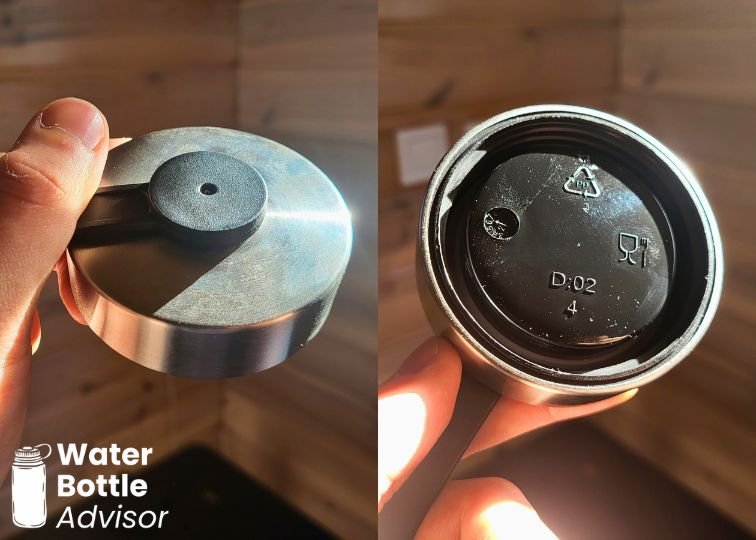
I also focused on reputable brands that are transparent about how their bottles are made. That matters a lot. If a brand clearly explains its materials, safety testing, and answers common health-related concerns, that gives me much more trust than a random bottle with vague claims on the product page. Where possible, I’ll include links to official pages where you can read more about each brand’s materials and safety statements.
Every bottle in this guide is:
- BPA-free,
- BPS-free,
- BPF-free,
- PFAS-free,
- and phthalate-free.
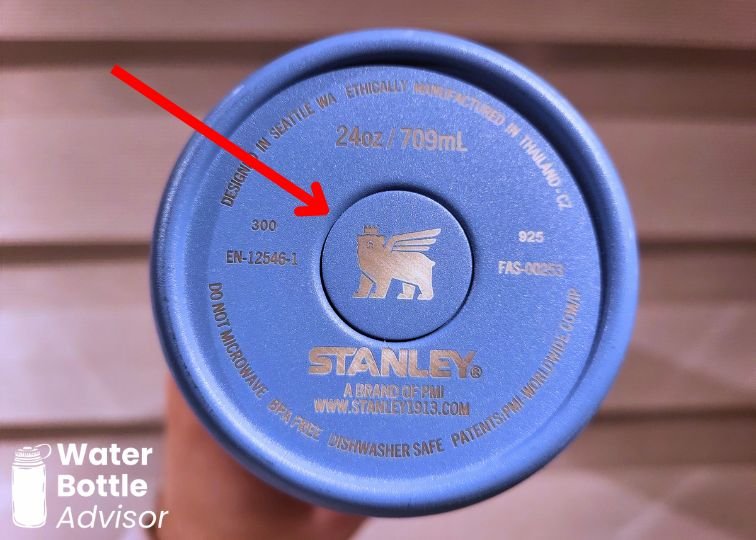
I also skipped bottles that use lead in their construction, including Stanley bottles. Lead information is surprisingly hard to confirm. Some insulated bottles can still use a small lead sealing dot in the base, even when marketed as lead-free, because that part doesn’t touch the water itself. So I took my time researching brands that don’t use lead at all and focused only on bottles I could actually trust from a safety standpoint.
I still use Stanley bottles myself, and experts quoted by medical and university sources generally agree that an intact Stanley bottle is very unlikely to cause lead poisoning. Still, for a guide focused specifically on the safest water bottles, I decided to leave them out.
Of course, safety wasn’t the only thing I looked at. A bottle can be perfectly safe and still be annoying to use. So I also paid close attention to everyday functionality:
- insulation,
- durability,
- weight,
- lid design,
- ease of cleaning,
- portability,
- and how pleasant the bottle is to drink from.
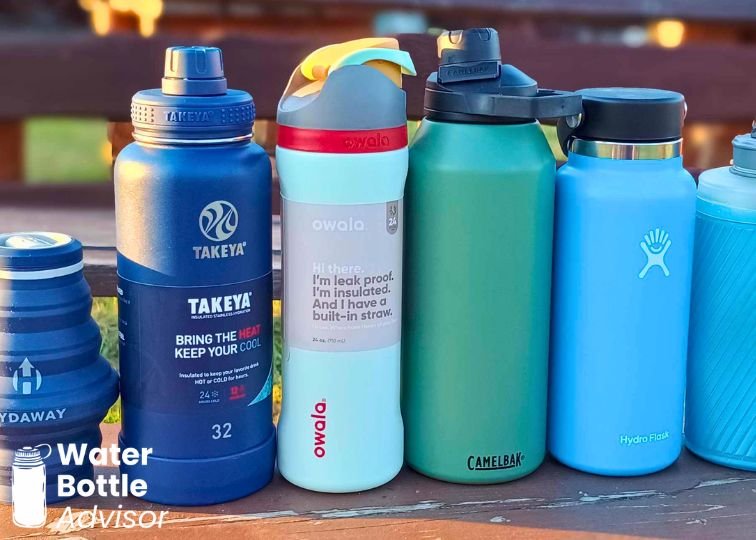
Lastly, I bought all of these bottles myself and tested them in real life. Some of them have been with me for years, not just a few days on a desk for a quick photo. I’ve used them at home, outside, in bags, in the car, and during normal daily routines. I’ve also included my own photos, so you can see that these aren’t just products I picked from spec sheets. They’re bottles I’ve actually used, tested, and compared.
With all of that out of the way, let’s get into my top picks: the bottles I trust completely when it comes to safety.
Some of the links on this page are affiliate links. This means that if you click on one of the links and make a purchase, I may earn a small commission at no additional cost to you.
What Are the Safest Water Bottles to Drink From?
Coldest Bottle | Hydro Flask | Owala FreeSip Sway | Ello Syndicate | |
|---|---|---|---|---|
 |  |  |  | |
Price | $40 | $45 | $35 | $20 |
Recommended Size | 32 | 32 | 32 | 20 |
Bottle material | 18/8 stainless steel | 18/8 stainless steel | 18/8 stainless steel | Borosilicate glass |
BPA-free? | YES | YES | YES | YES |
Lead-free? | YES | YES | YES | YES |
My score | 4.8/5 | 4.7/5 | 4.5/5 | 4.1/5 |
Buy now |
Coldest Bottle
KEY FEATURES
PROS
CONS
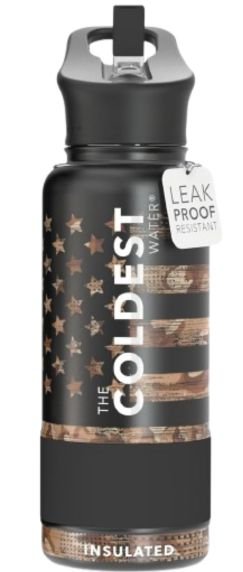
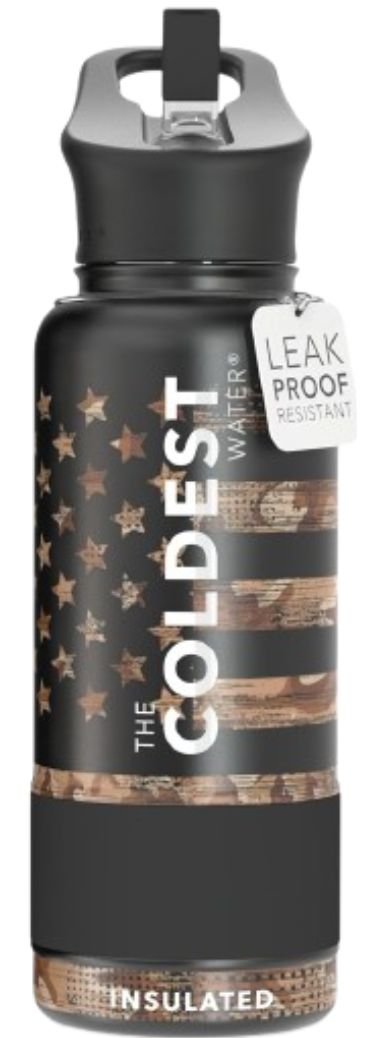
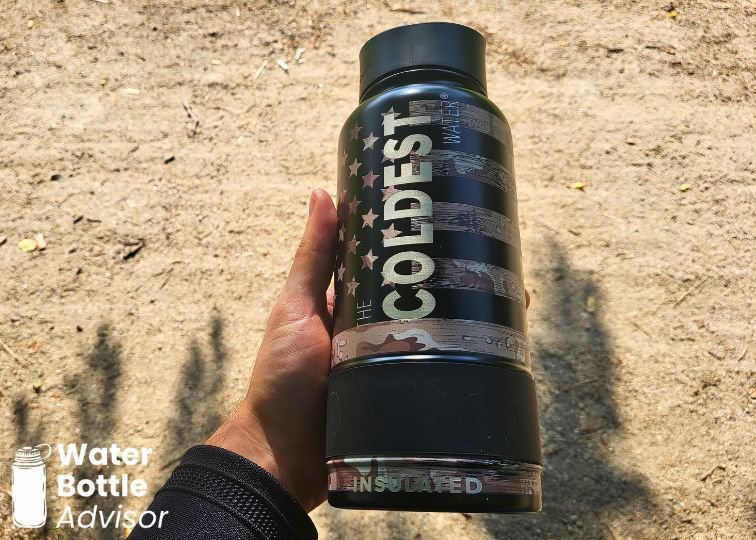
Coldest bottle is one of the most unique bottles you can buy. But more importantly, I trust it completely.
It’s built from 18/8 stainless steel, the kind that’s food-grade, non-reactive, and basically immune to rust or weird tastes. There’s no hidden liner, no sketchy coating inside, just solid steel that doesn’t mess with your water.
Coldest states on its website that its bottles are made without lead, and that its lids use 100% BPA-free plastic.
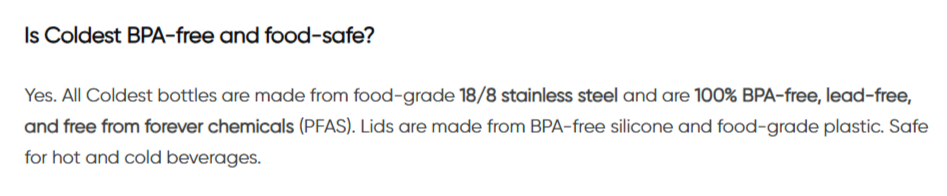
They also tested their bottles for the presence of forever chemicals, and the bottles passed.
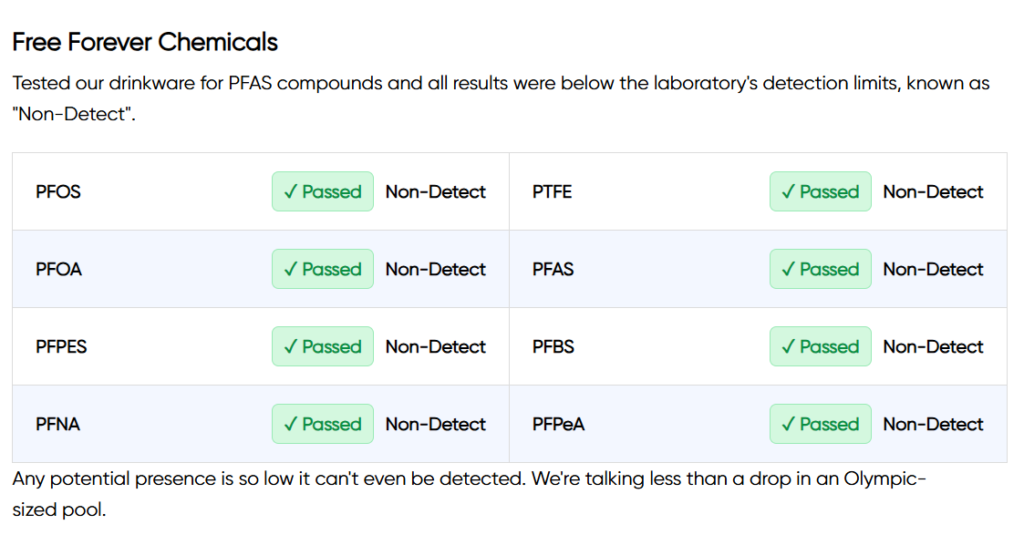
There’s also a safety angle you don’t usually hear about: insulation. Coldest is one of the best-insulated bottles I own, and I’ve tested a lot of them. A cold drink doesn’t just taste better; it also stays in a less bacteria-friendly temperature range for longer. Of course, insulation doesn’t replace regular cleaning, especially around the lid and straw, but I’d much rather have water stay cold for hours than sit lukewarm in a bottle all day.
With Coldest, water stays under 59°F (15°C) for 28 hours, without a single cube of ice. Add some ice and you’re looking at 66 hours of icy cold water. I’ve had it last that long, and it still felt fresh.
But it’s not just safe to use. The bottle is sturdy, doesn’t leak, and is easy to clean. You can use it with one hand while driving, toss it in your bag without thinking, and forget it in a hot car without worrying about drinking warm plastic soup later.
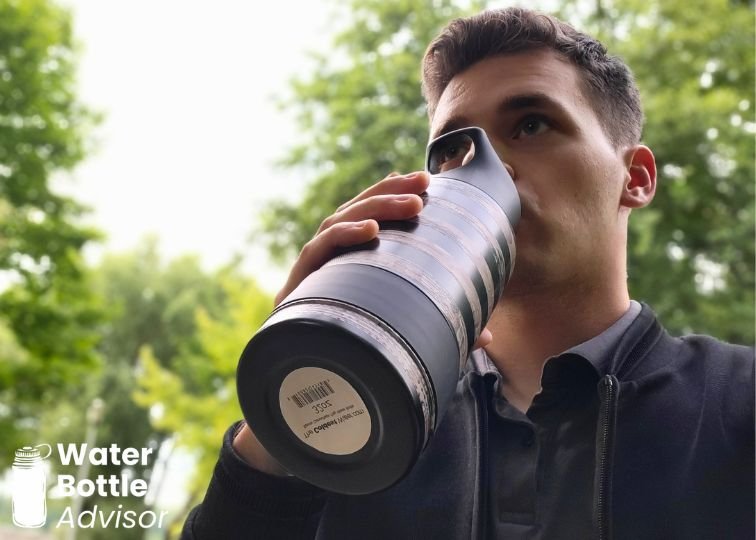
On top of all that, Coldest offers a wild range of colors and designs, so the bottle actually feels like something personal, not just functional. I’ve got the 32 oz version with a straw lid, which I think hits the perfect balance for everyday use.
The verdict? I believe it’s the best water bottle you can buy currently, based on my experience and testing. Read more about this bottle in my full Coldest bottle review.
Hydro Flask
KEY FEATURES
PROS
CONS
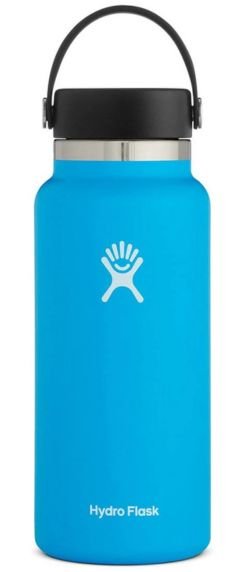
I’ve tested plenty of bottles over the years, from hydrogen water bottles to smart bottles packed with sensors and app features. I’m always curious about new health claims and clever tech, but Hydro Flask is a good reminder that a bottle doesn’t need bells and whistles to be safe, practical, and well-built.
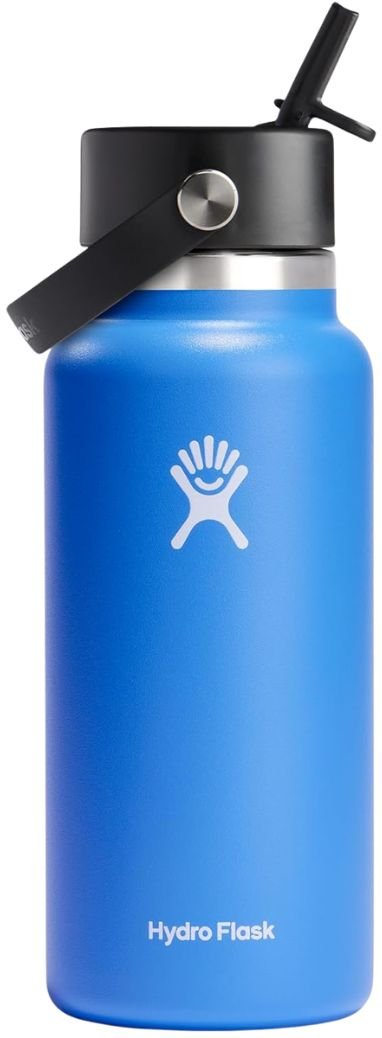
One of the biggest reasons I trust Hydro Flask is its material quality. The bottles are BPA-free and lead-free, and the company hasn’t used lead in its sealing process since 2012. That already gives it a strong safety foundation.
Each bottle is made from 18/8 stainless steel, which is often described as medical-grade stainless steel. It’s durable, resistant to chemical leaching, and doesn’t break down when exposed to hot or cold liquids. It also meets strict FDA food contact standards, so from a safety perspective, there isn’t much to worry about here.
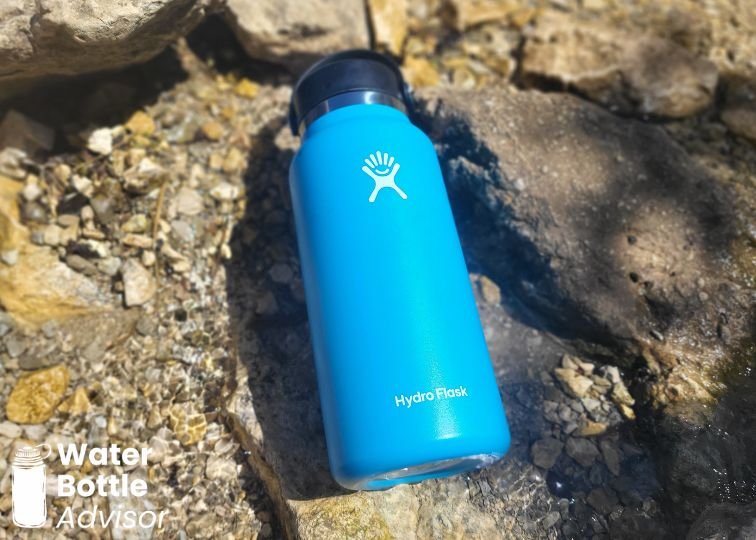
Safety is only one part of the story, though. Hydro Flask also delivers the kind of insulation performance you’d expect from a premium stainless steel bottle.
For cold drinks, I started with water at 33.8°F / 1°C. After 24 hours, it had only risen to 54.5°F / 12.5°C, which is a strong result, especially if you like your water to stay properly cold throughout the day.
I also tested it with hot liquids, since Hydro Flask can handle them too. The water started at 190.4°F / 88°C, and after 12 hours, it dropped to 128.8°F / 53.8°C. That’s still comfortably warm after half a day.
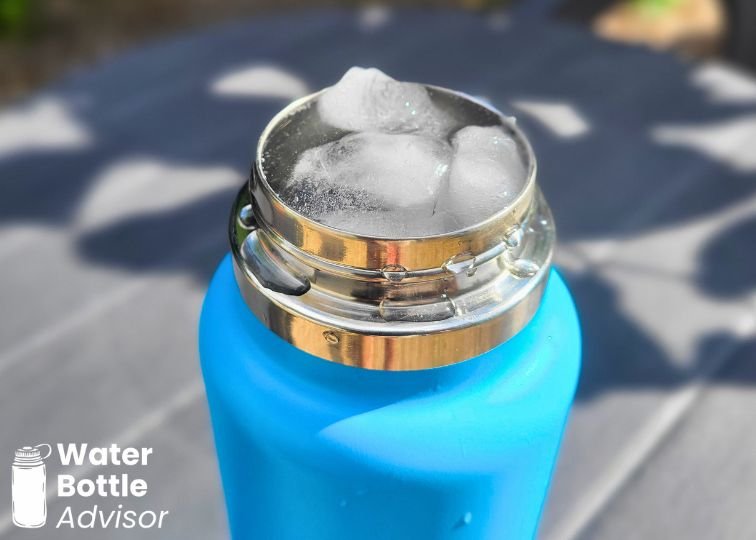
For a stainless steel bottle, the weight is still manageable. The 32 oz version weighs around 16 oz, which is reasonable for the capacity.
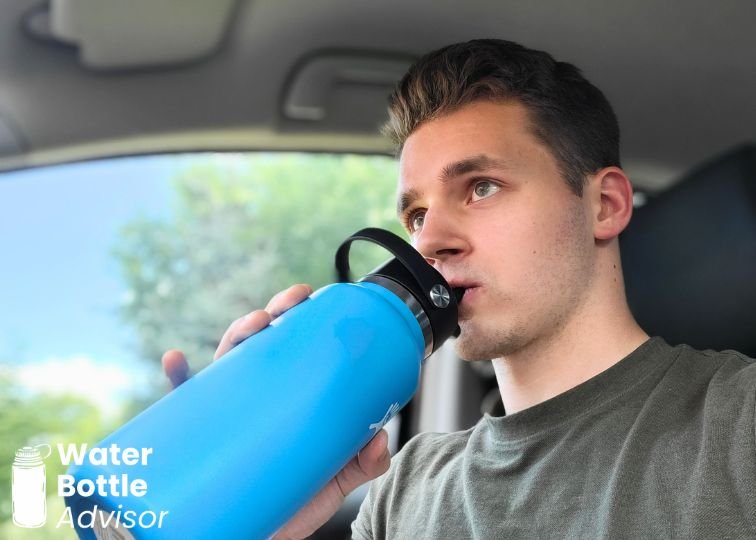
If Hydro Flask sounds like the right bottle for you, I’d go with the 32 oz size with the Flex Straw Cap. I’m a big fan of Hydro Flask’s lids and caps, which I covered in more detail in my Hydro Flask lids comparison.
The Flex Straw Cap is made from BPA-free #5 food-grade polypropylene plastic. That said, if you’d rather avoid having any plastic touch your water, Hydro Flask also offers a stainless steel cap. The only catch is that it can be hard to find, since it isn’t always in stock.
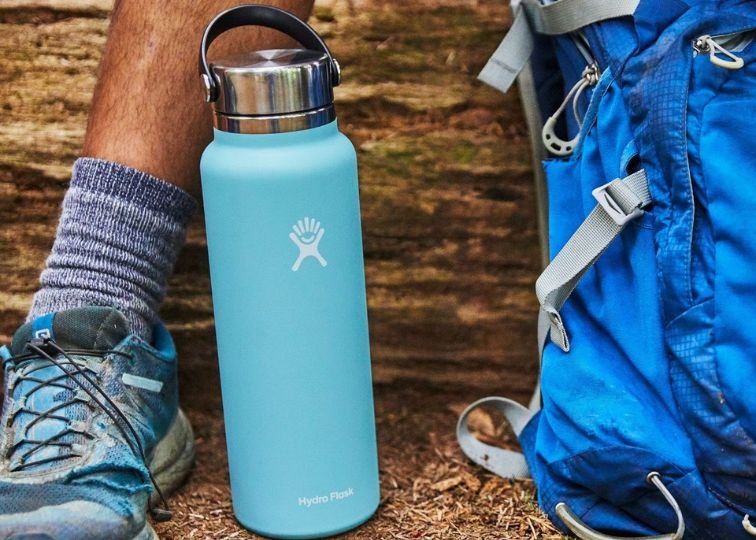
There’s a reason Hydro Flask has ranked very high in my best water bottle rankings over the years. It’s not the flashiest bottle, but it keeps showing up near the top because it gets the important things right: safety, insulation, durability, comfort, and everyday usability. And if you want the full breakdown, including all the little details that make this bottle stand out, check out my full Hydro Flask review.
Owala FreeSip Sway
KEY FEATURES
PROS
CONS
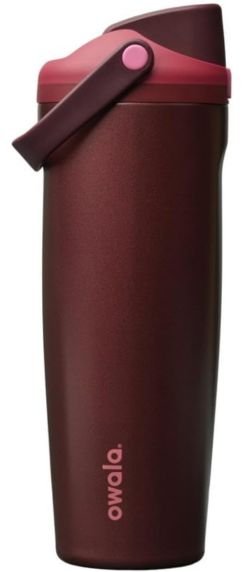
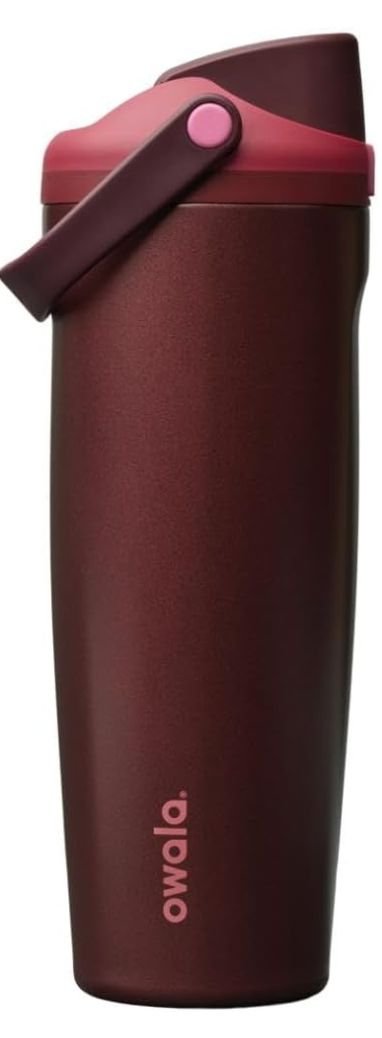
If you’re after a stainless steel bottle with decent insulation (and a fun design to boot) the Owala FreeSip Sway might just be your new favorite.
Owala makes plenty of bottles and tumblers, but out of its current lineup, the Sway is the one I’d personally pick first.
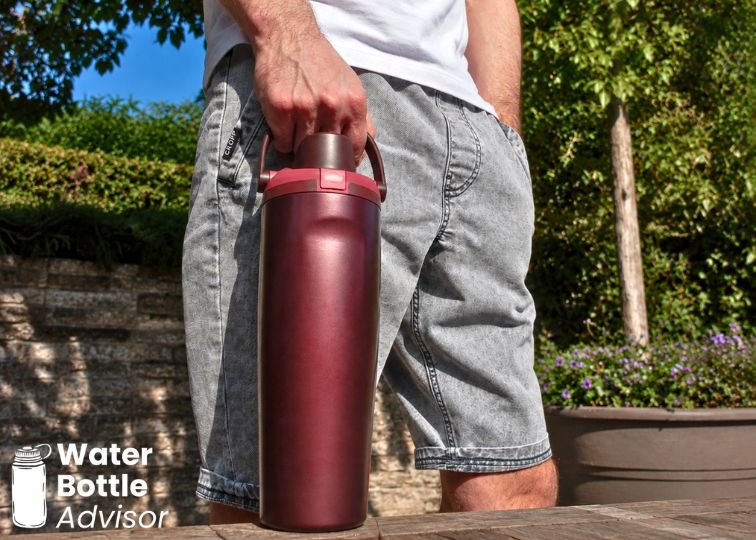
From a safety standpoint, Owala is a brand I feel good about. They’re transparent about the materials they use and make a real effort to educate customers about what goes into their bottles. While some brands have faced criticism over lead in their products, Owala has clearly stated that its bottles are, and will remain, lead-free. They also confirm that their products are BPA-free.
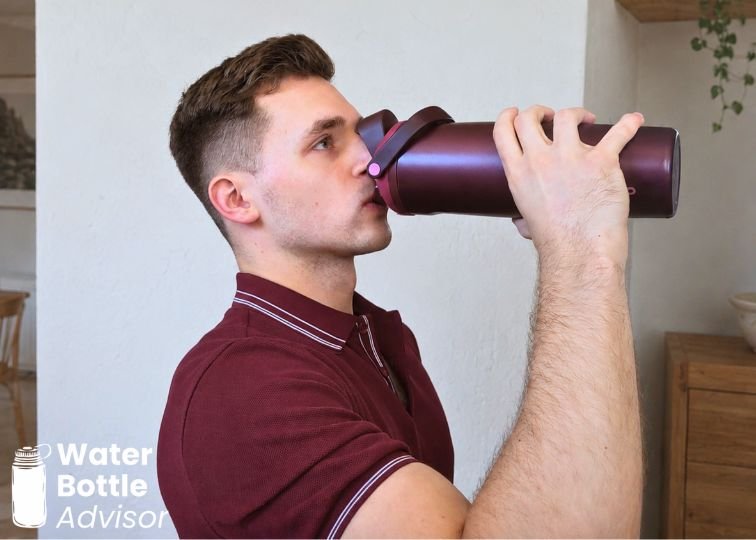
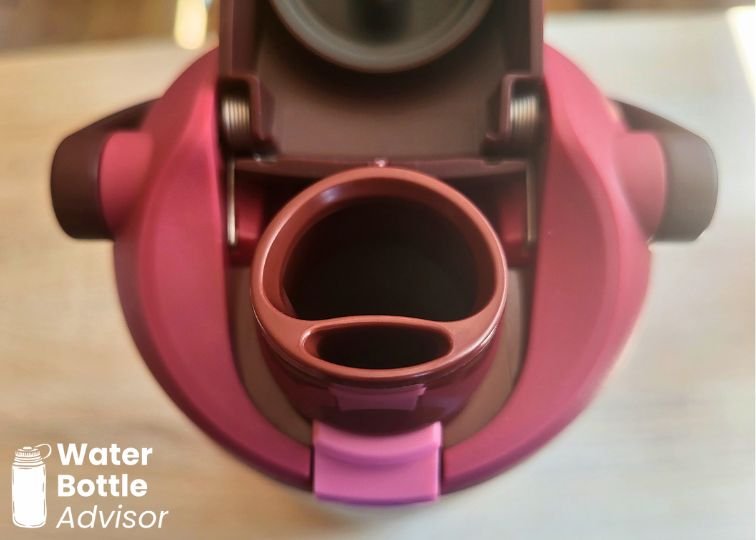
I appreciate the hygiene-focused design in the Sway bottle. The straw is hidden inside the lid, which helps keep it cleaner when you’re carrying the bottle around. I’ve tested plenty of bottles and tumblers with exposed straws sticking out in the open, collecting dust, and touching random surfaces. Compared to those, the Owala feels much more practical and cleaner.
The biggest selling point, though, is the FreeSip spout. I love this feature. It lets you either sip through the built-in straw or tilt the bottle back and chug from the same opening, without unscrewing anything or switching lids. It’s simple and clever.
The insulation is also strong. In my cold retention test, the water started at 33.8°F / 1°C and rose to 55.2°F / 12.9°C after 24 hours. That’s a very good result.
There is one important limitation, though: unlike Hydro Flask, the Owala FreeSip Sway is made for cold beverages only. So if you want one bottle for both iced water and hot tea, this won’t be the right fit.
Overall, the Owala FreeSip Sway has quickly become one of my most-used bottles. It’s safe, well-insulated, hygienic, and has one of the most enjoyable drinking systems I’ve tested. You can see the full breakdown in my Owala FreeSip Sway review.
Ello Syndicate Glass Bottle
KEY FEATURES
PROS
CONS
Glass has always been the gold standard for taste purity. Water from glass simply feels cleaner, untouched. But the material carries its curse: fragility. That’s the reason you won’t see brands like Hydro Flask, Owala, or YETI venturing into glass territory. The risk of shattered bottles and endless returns probably outweighs the reward.
Still, a few brands are brave enough to try and some of them succeed. One of the brighter examples is the Ello Syndicate.
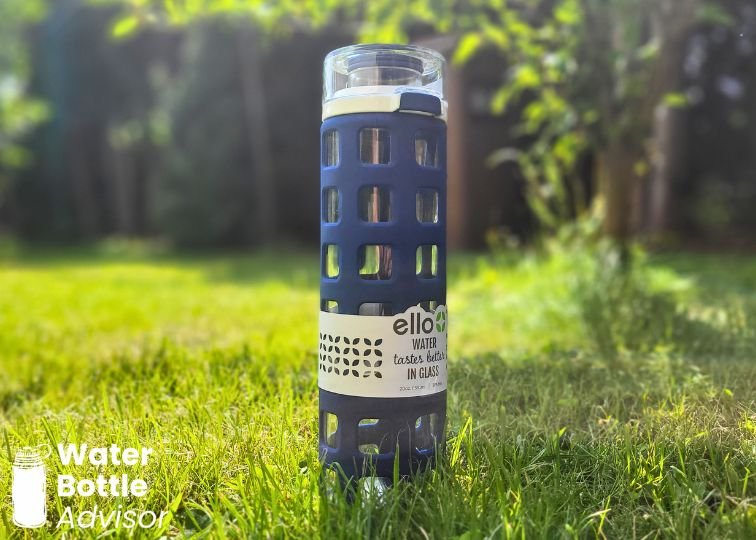
While many glass bottles push the $40 mark, Ello manages to offer theirs at around $20 for a 20-ounce size. Admittedly, 20 ounces isn’t generous; you’ll be refilling several times a day. But glass earns a pass here – the point isn’t capacity, it’s purity.
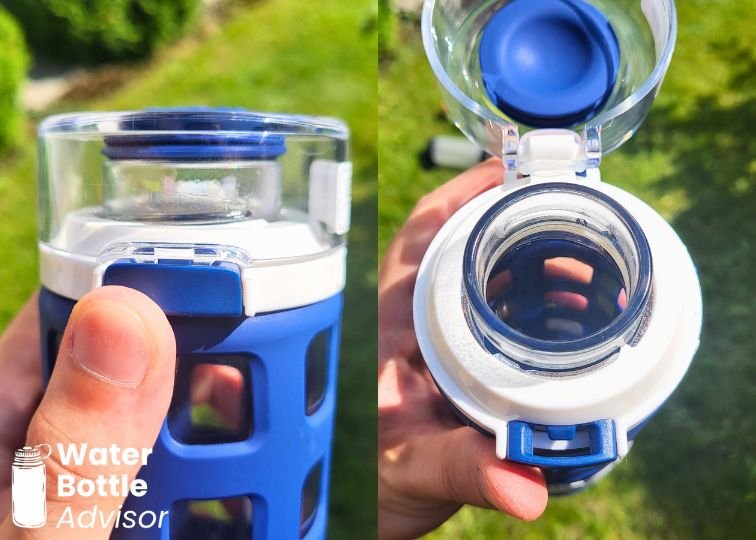
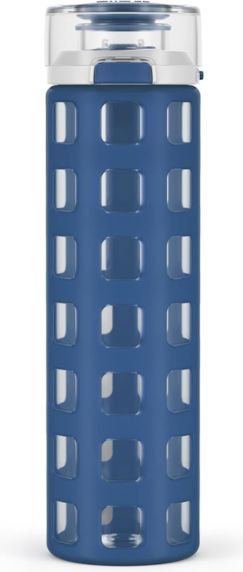
Ello wraps the bottle in a thick silicone sleeve, and it does its job well. Drops and knocks are far less terrifying, though the added protection comes at a cost: weight. This bottle feels solid in your hand, noticeably heavier than stainless steel of the same size. Personally, I’ll take that tradeoff – better heavy than shattered.
The glass itself is borosilicate, the most durable type available. In theory that inspires confidence, in practice, glass remains glass. I’ve broken two borosilicate bottles this year alone, though thankfully not this one.
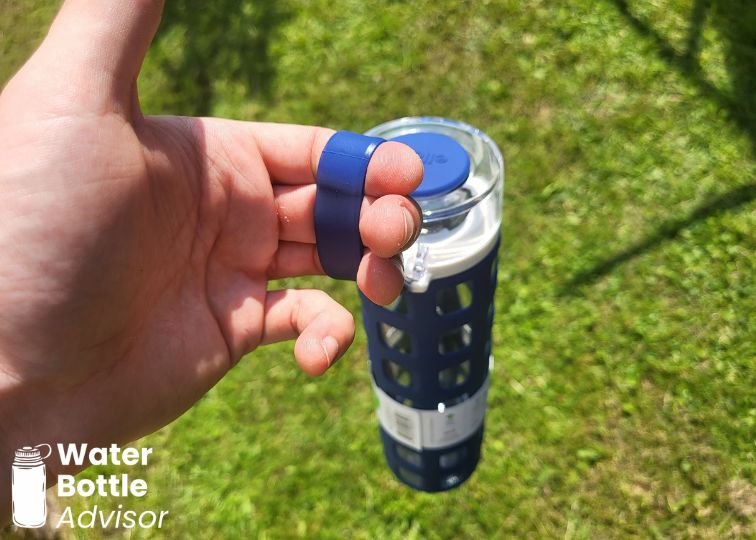
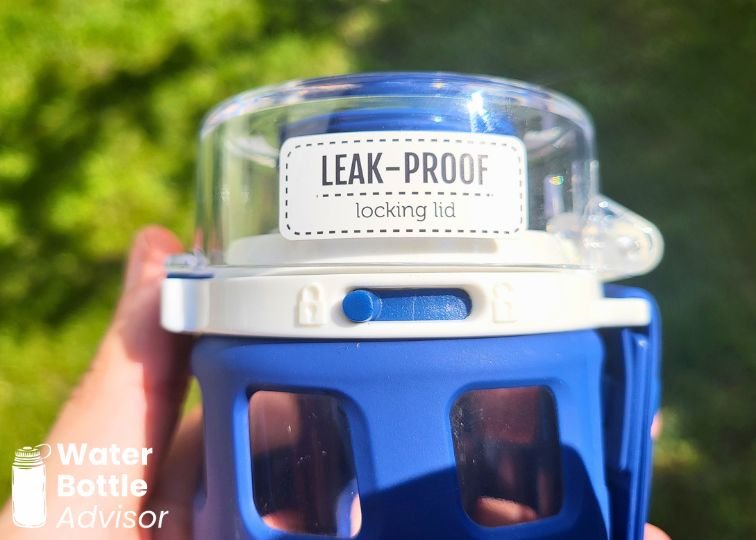
The lid, made of BPA-free plastic, is the lone compromise. It doesn’t match the all-glass ideal, but it’s functional and comes with a clever side lock that prevents accidental opening.
Overall, the Ello Syndicate doesn’t pretend to be more than it is. It won’t wow you with insulation, capacity, or features. What it offers is simple: a reliable glass bottle that delivers water at its purest, while doing its best to survive the bumps of everyday life. For me, that’s enough.
Is it Better to Drink from Glass or Stainless steel?
Both glass and stainless steel are great and safe choices, but they have pros and cons.
- Glass is the purest option. No metal taste, and easy to clean. But it’s fragile and can be a bit heavy, especialy those bottles with thick protective silicone sleeves.
- Stainless steel is more durable, keeps drinks hot or cold longer, and is great for travel. They can be heavy, but there are dozens of options with reasonable weight you can find.
If you want purity and don’t mind fragility, go for glass. If you need something tough and insulated, stainless steel is better.
Keep in mind that these are not the only materials available, and my complete guide to best water bottle materials explores the rest in detail.
Is It Safe to Drink out of Stainless Steel Every day?
Yes, it’s completely safe to drink from stainless steel every day, but make sure it’s high-quality, food-grade stainless steel (like 18/8 or 304). It won’t leach chemicals, it’s durable, and it keeps drinks hot or cold.
That said, ANY bottle that isn’t cleaned regularly can become unsafe due to bacteria buildup. Wash it often to keep it safe to use.
Final Thoughts
This isn’t an exhaustive list of safe water bottles and there are plenty of other great choices out there.
Fortunately, we live in a time when it’s becoming less common to find a reusable bottle, even a plastic one, that contains harmful chemicals (although some unsafe options still exist).
That said, every bottle on this list has been personally tested over the years, so I can vouch for their safety. After all, I’m still alive and healthier than ever!
But remember, safety is just one piece of the puzzle. Durability, insulation, and overall usability matter just as much. The best choice is a versatile bottle that balances these qualities, with safety as an added layer of assurance.

Jeremiah Kowalski
Jeremiah Kowalski is a drinkware product researcher who has personally tested 50+ reusable water bottles, tumblers, mugs, and filtration systems from leading brands. He focuses on real-world performance, durability, and safety to help readers choose drinkware that actually fits their daily hydration needs.